
Shop Vintage Like a Pro
Scoutat-artiklarna publiceras på engelska just nu.
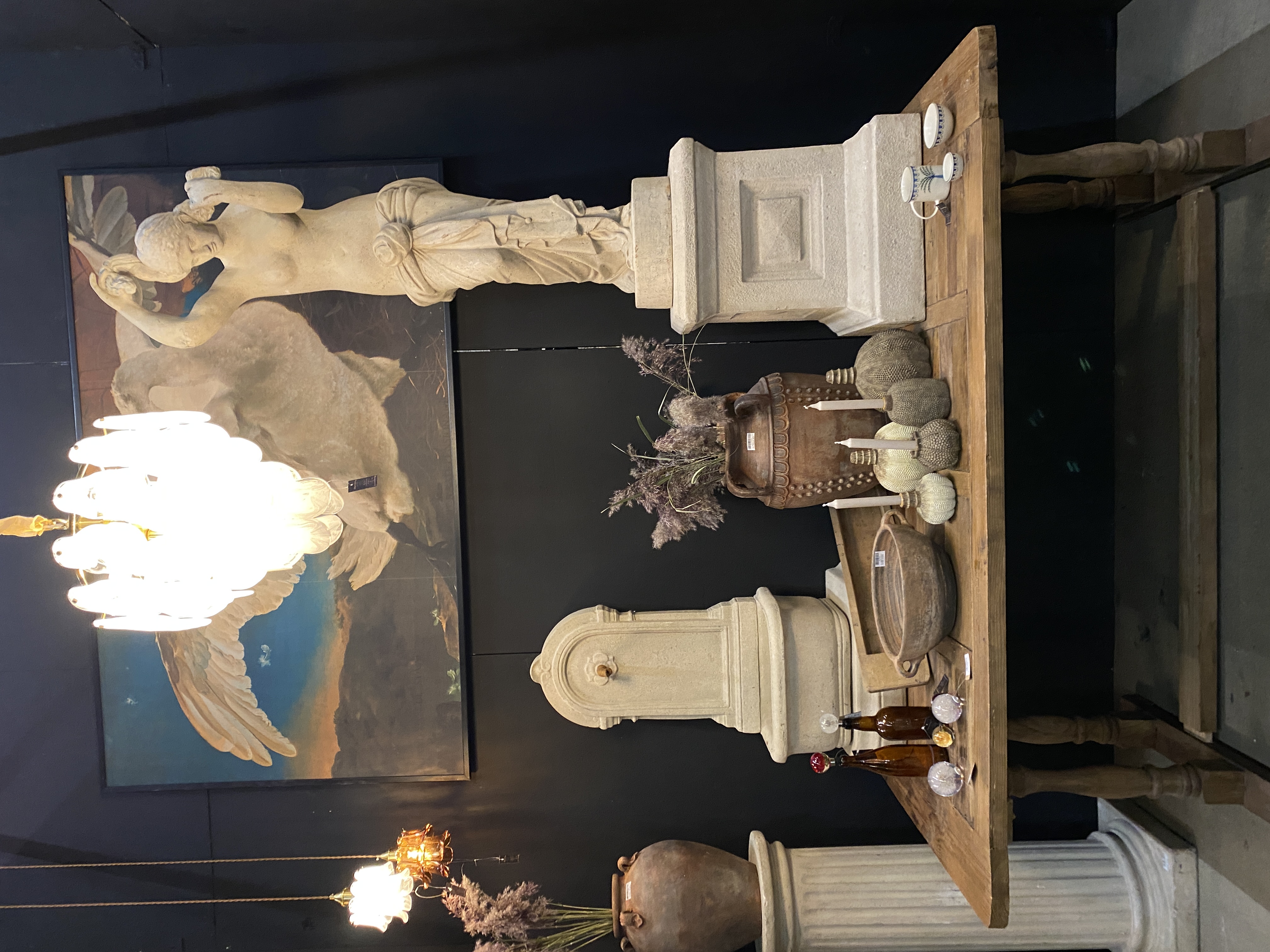
I still remember the first time I opened an old pine cabinet I had bought online, convinced it was my “smart” second-hand find. The proportions were right, the patina was honest, and the price felt like a win. Then the door swung open and the smell hit. If you know, you know.
Vintage is not hard because it is old. It is hard because it asks you to shop like a professional. You are not just choosing a look. You are choosing condition, construction, and how much work you are willing to take on.
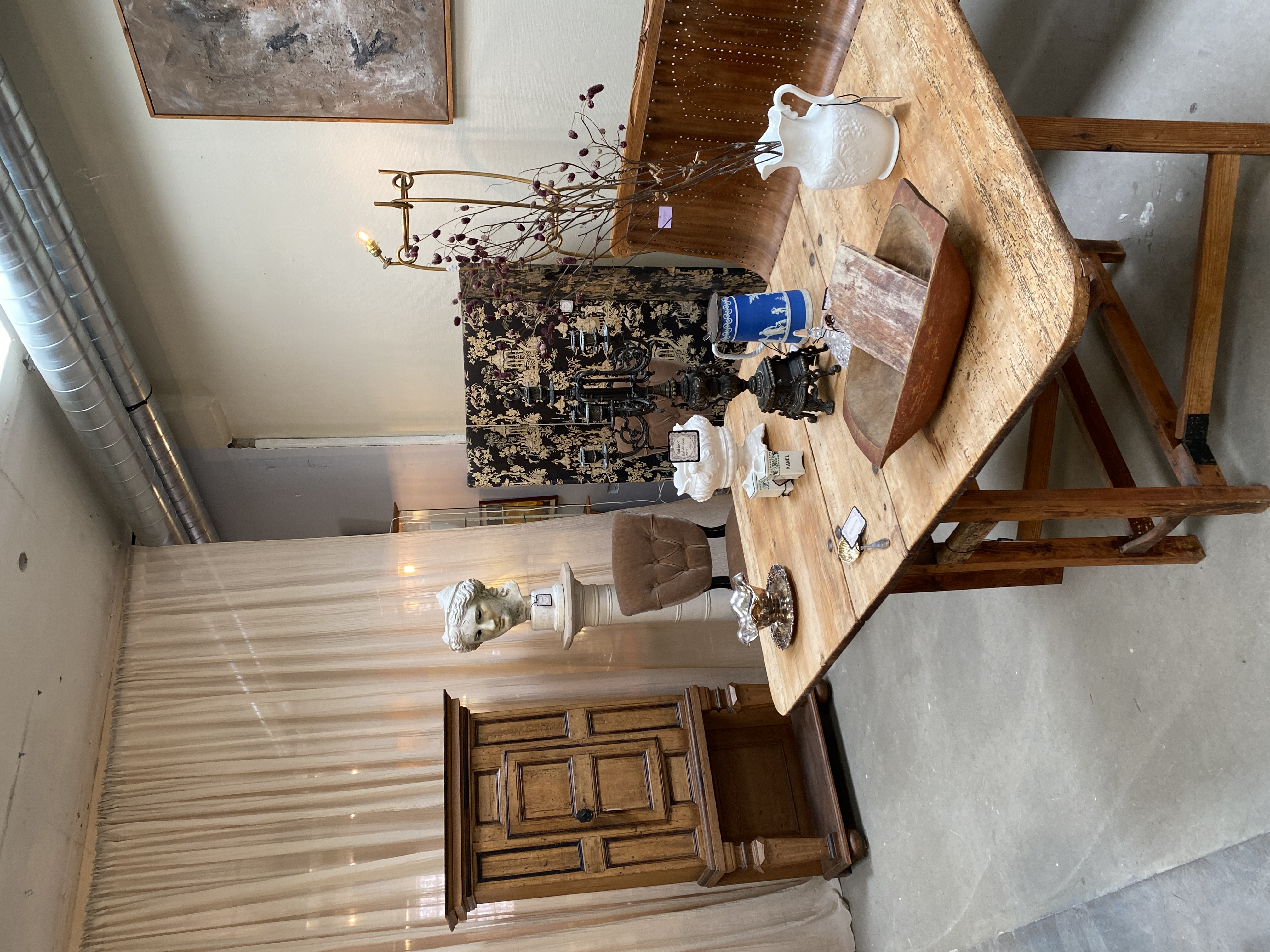
Start with the unglamorous question: can you live with the smell?
Preowned furniture can carry years of cooking, smoke, damp, or just that closed-up cupboard funk. If you are buying in person, open every door and drawer. If you are buying online, assume the piece has lived a life and plan accordingly.
Most odors are fixable if the furniture is structurally sound. The simplest routine is boring and it works:
- Air it out properly. Doors open, drawers out, in a dry space.
- Wipe down interior surfaces with white vinegar.
- Put a bowl of baking soda inside cupboards and close the doors for a day or two.
- If the smell is deep in the wood, light sanding and a coat of oil can help.
- Painting the interior can absorb what you cannot remove, but treat this as a last step, not the first idea.
The point is not perfection. It is deciding if the piece is worth the effort.
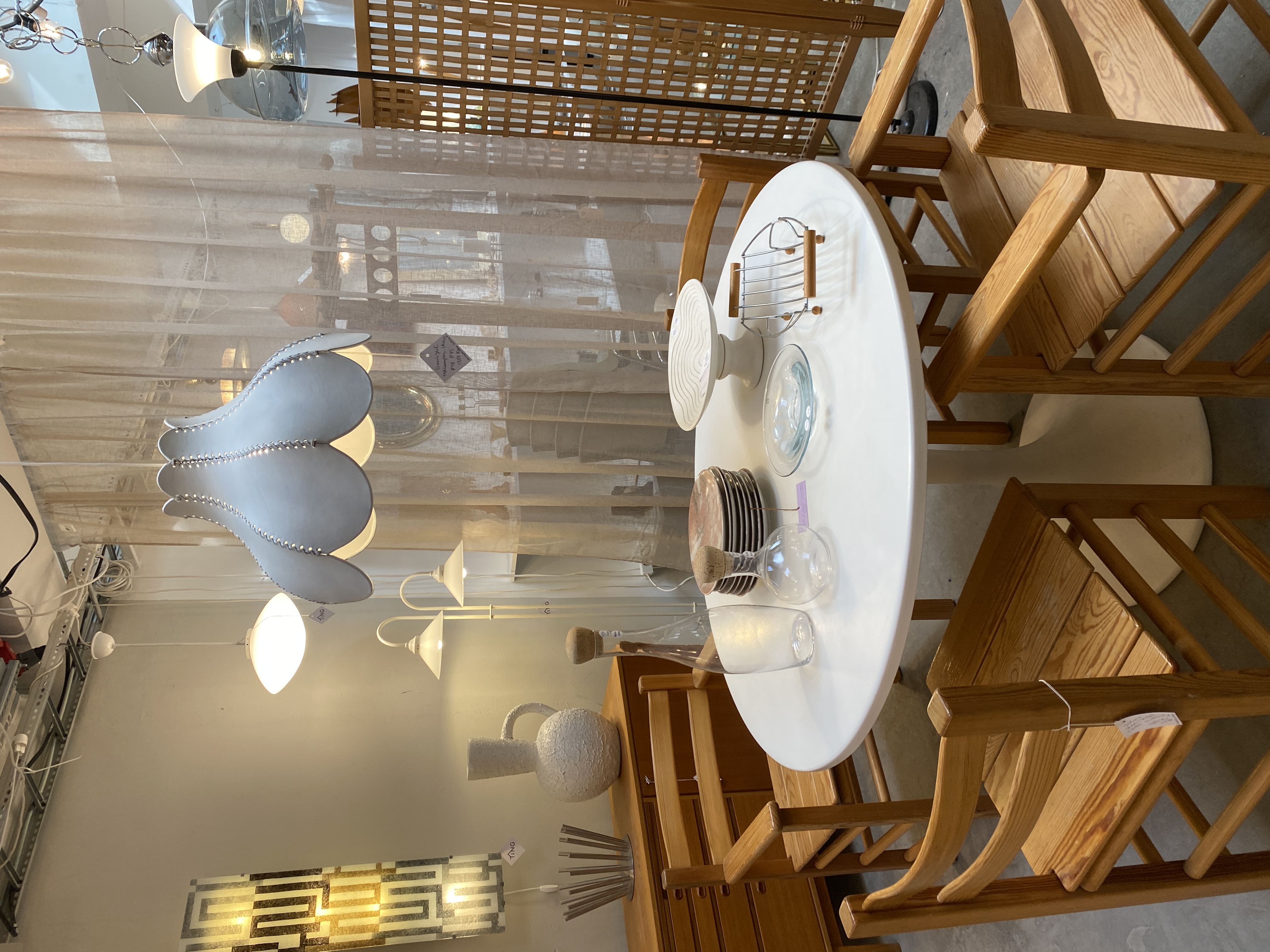
New vs second-hand is not cheap vs expensive
Here is the part people do not say out loud: good vintage can cost as much as new, sometimes more. Especially if it has been restored well, or if the shop has already done the dirty work of cleaning, stabilizing, and repairing.
But quality is where second-hand wins. When a new piece is built like a vintage piece (solid wood, proper joinery, stable frames), it usually costs far more than you expect.
So do not shop vintage because you want a bargain. Shop vintage because you want a piece with better material, better construction, and a life that shows in a way you actually like.
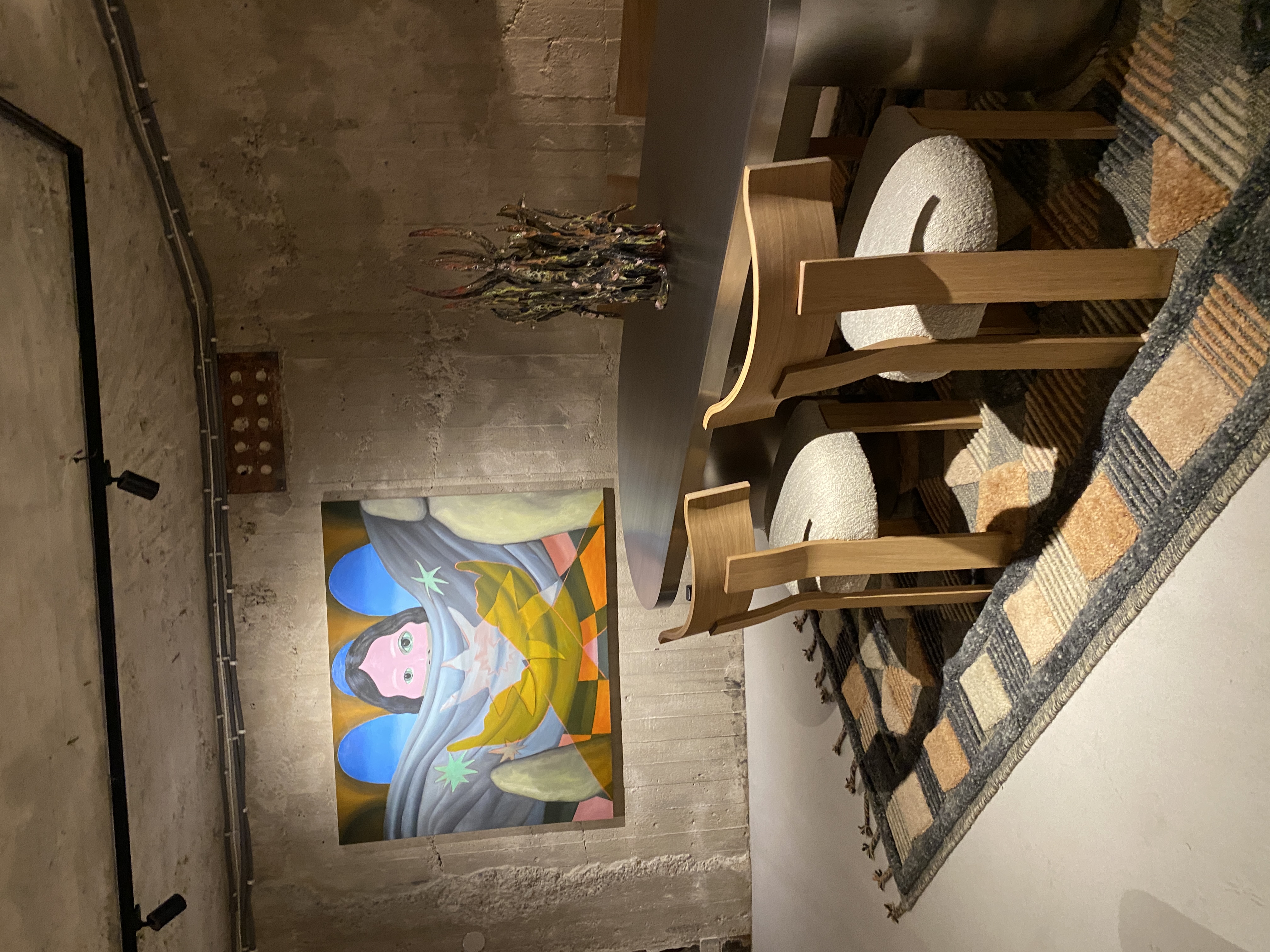
Paying less means you pay with time
This is the first rule I share with clients: the less you want to spend, the more time you will invest. You will scroll, message sellers, miss out, then drive across town for the one listing that looks promising.
If you enjoy the hunt, that is part of the value. If you do not, pay more and let the shop owner do the work. Restoration time is real time. Someone has sanded, tightened, re-glued, oiled, or reupholstered, and you are paying for the hours you did not spend.
On Kartique, we flag places that restore pieces before selling them. That is why they are often marked High End. The price includes the calm of buying something ready.
Think like a designer: shop for the brief, not the fantasy
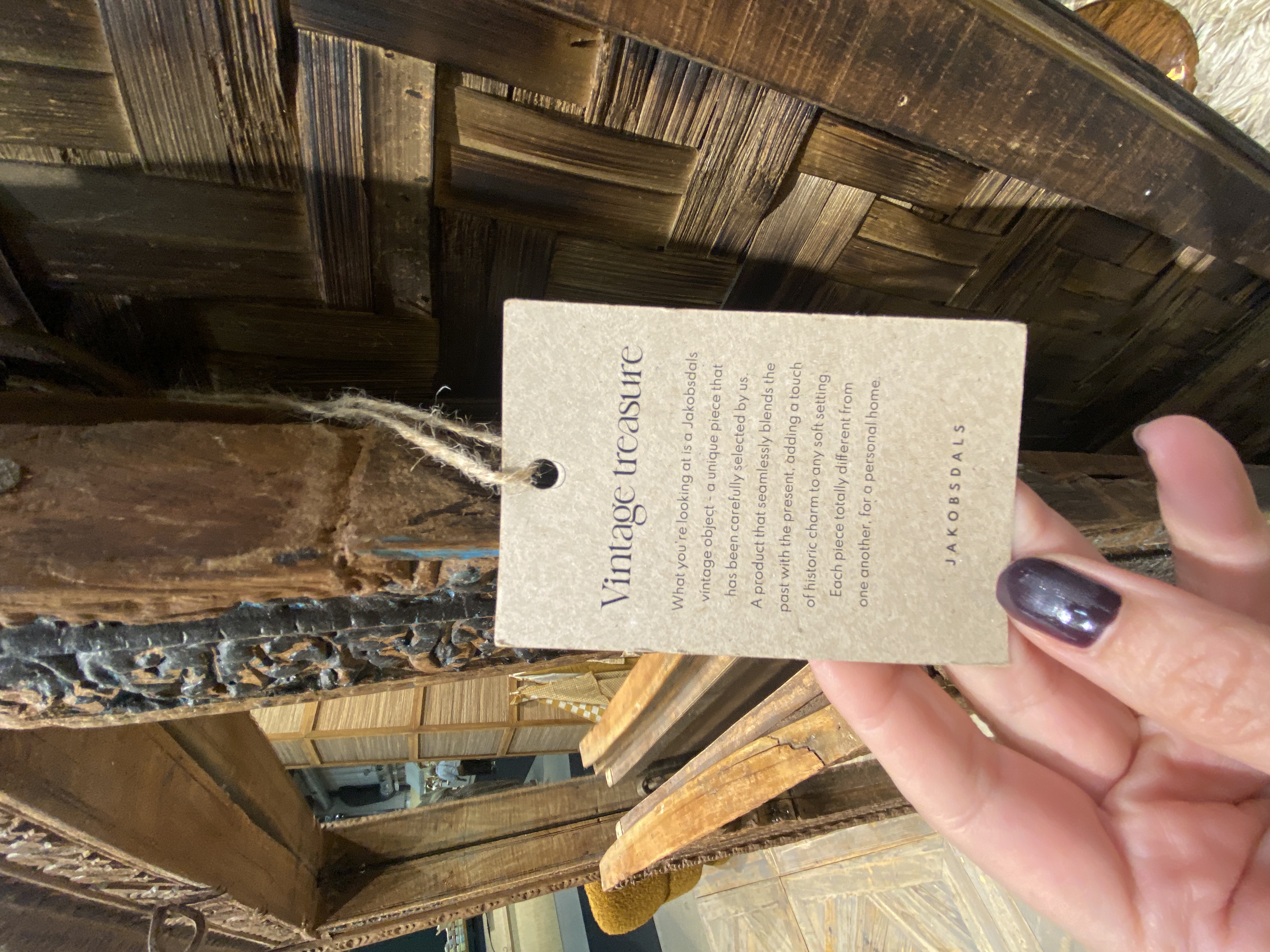
Designers are not better shoppers because they are more creative. Designers are better shoppers because designers are stricter. When I am sourcing for a client, I want to know what a store reliably carries before I make the trip. Is this a place for mid-century lighting? French pieces? Scandinavian pine? Is it a treasure hunt, or a curated edit?
This is the discipline that makes second-hand feel efficient instead of chaotic. You are not collecting “cute” things. You are solving a room.
Inspect daily-use pieces like you are hiring them for a job
The furniture you touch every day needs a higher bar: dining tables and chairs, lounge chairs, sofas, anything with joints, frames, or weight on it.
If you are in person:
- Sit in every chair. If it rocks, creaks, or feels tired, walk away.
- Check a dining table for stability. Push on corners and look for wobble.
- Open drawers. They should glide without grinding.
If you are not in person, use the material as your shortcut. A solid oak table is usually a good sign. Then ask the two practical questions: what are the dimensions, and will it fit your space.
If an item looks very worn down, pass. There is a difference between character and fatigue.
Patina is fine, damage is not
Second-hand pieces will show age. If the aging does not affect function, that is patina. It is the softened edges, the worn armrest, the finish that has mellowed with time.
What you do not want is wear that compromises use: loose joints, cracked structural parts, sagging seats, surfaces that are unstable or splintering. Patina is visual. Damage is mechanical.
The takeaway: decide what you are buying, before you buy it
Before you fall for the photo, answer three questions:
1. Am I willing to handle smell, cleaning, or minor fixes, or do I want a shop to restore it for me?
2. Is this piece for daily use, and if so, can it realistically hold up?
3. Does it match my brief, or am I just buying a fantasy object?
If you can answer those clearly, vintage gets easier. You stop buying “almost” pieces that end up in the corner, waiting for you to deal with them.
When you want to shop with less guessing and more intent, use the Kartique directory to find places that match your brief before you make the trip.