
Swedish Antiques Are Having a Moment
Scoutat-artiklarna publiceras på engelska just nu.
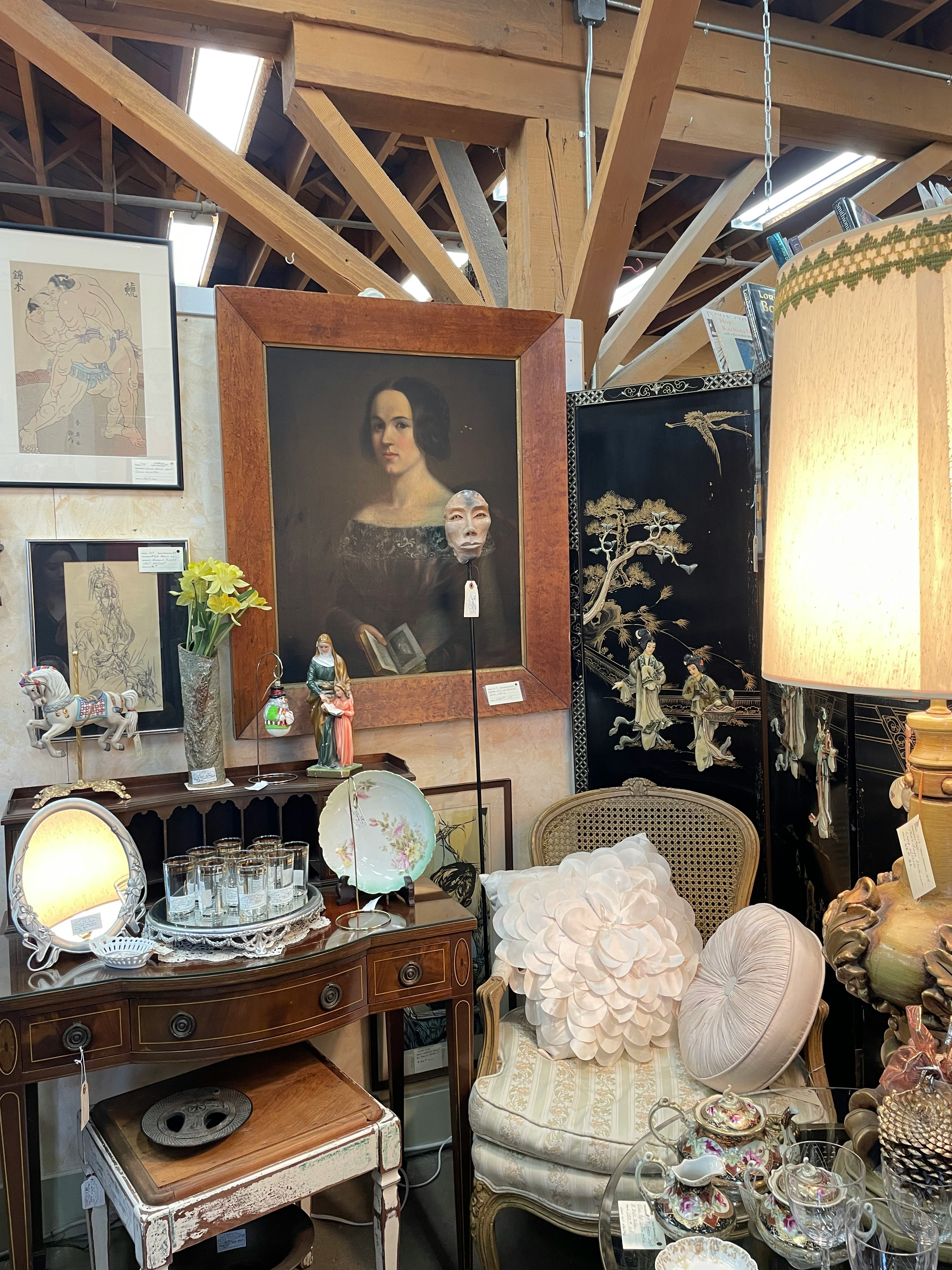
A few months ago I watched someone walk past a pristine, freshly upholstered settee at a fair to crouch down in front of a battered Gustavian chair with the paint worn through to bare wood on the armrests. They ran a thumb over the worn spot like they were checking if it was real. That is the moment that explains what is happening with Swedish antiques right now.
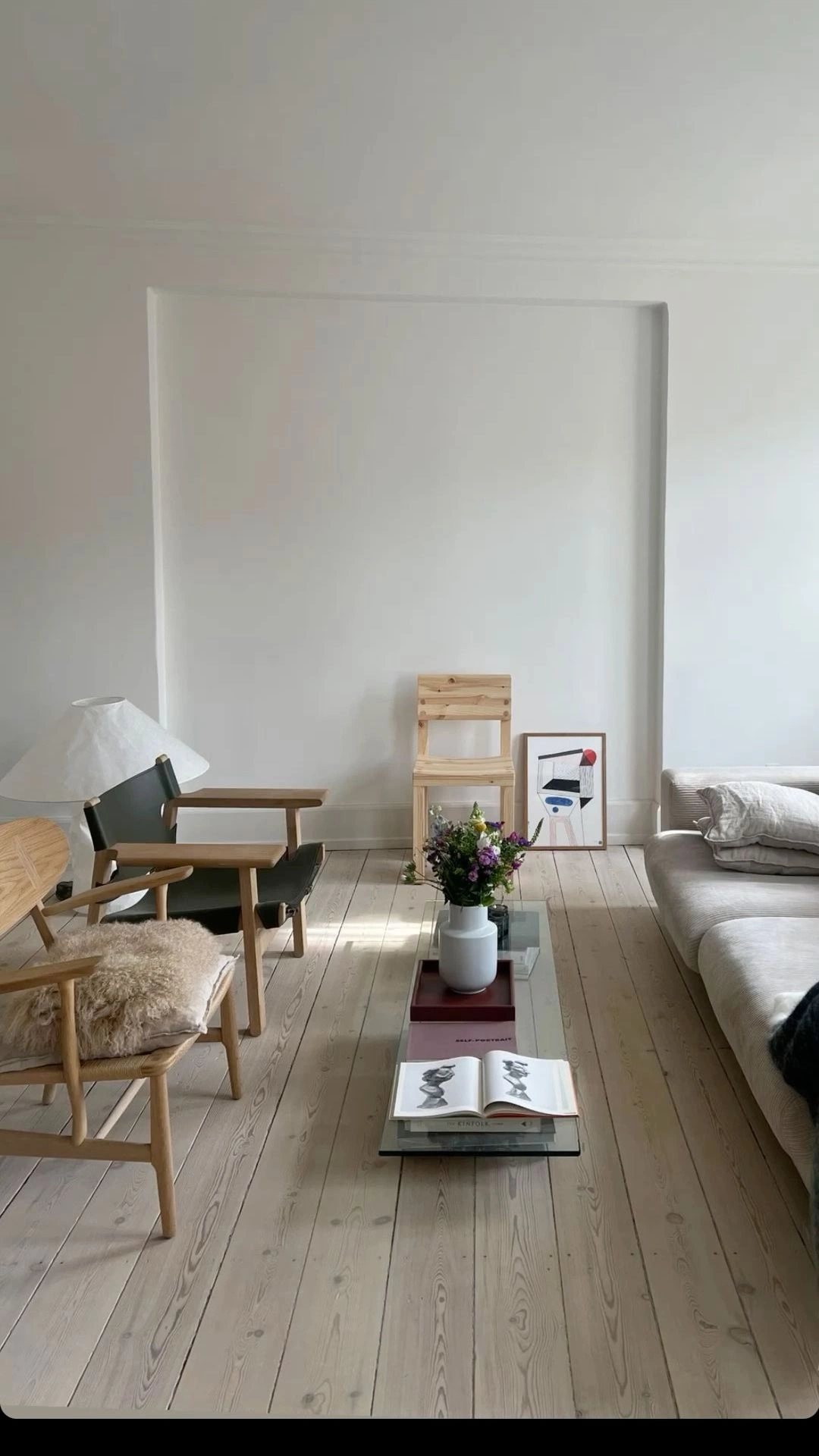
The Quiet Rebellion of Swedish Antiques
We have spent years furnishing rooms for the scroll, pieces chosen because they read instantly before anyone has even stepped inside. Swedish antiques do not work that way. A pale painted cabinet or a worn farmhouse table does not announce itself in a photo. You have to be in the room with it, and the appeal builds slowly instead of all at once.
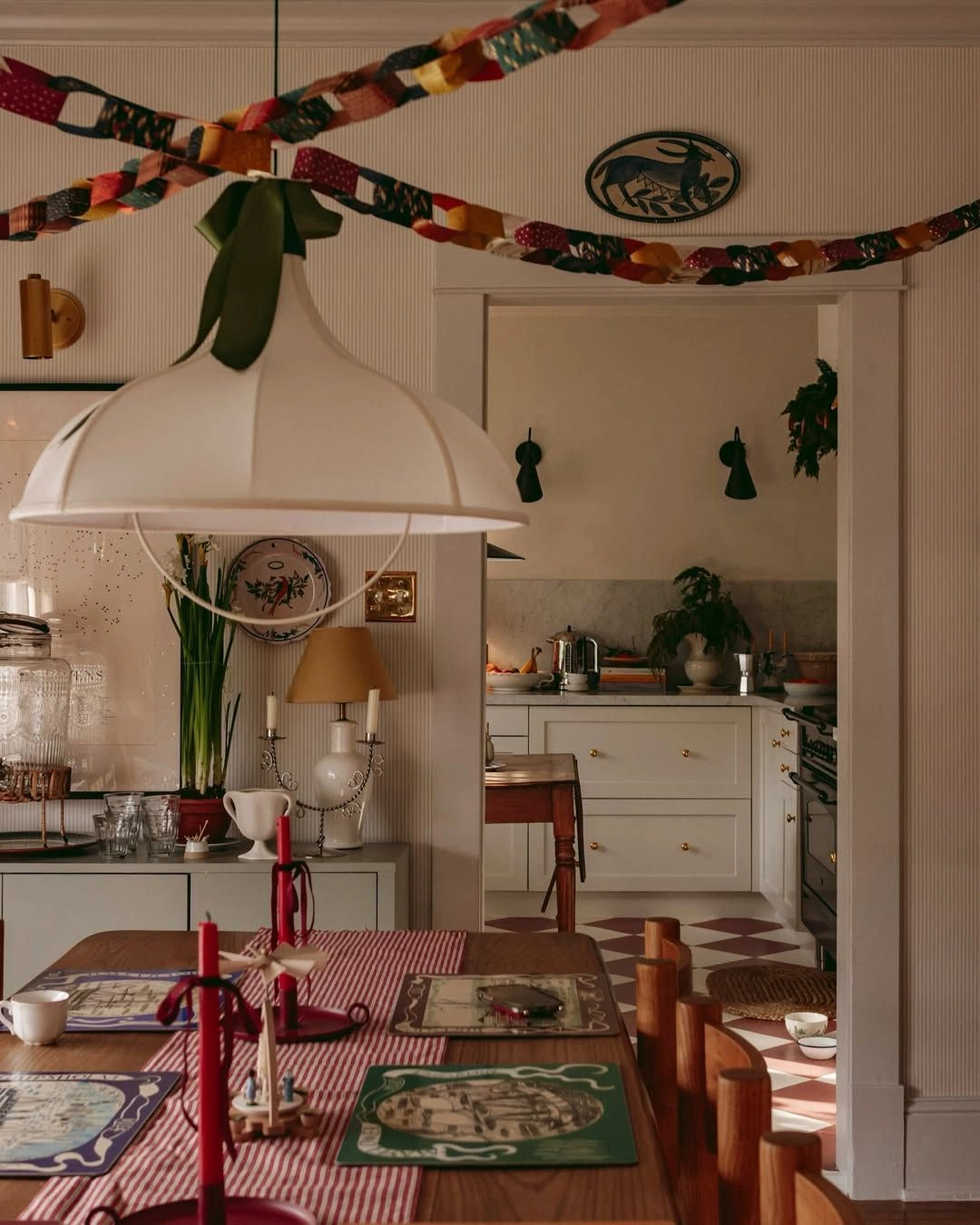
Why Restraint Wins When Everything Else Is Loud
A lot of the renewed interest comes from how calm and versatile these pieces feel in a visually noisy market. Swedish design is often described as human centered and restrained, which makes it an easy fit for contemporary homes. That restraint becomes powerful. A Swedish antique can sit naturally in a modern room because it rarely feels theatrical.
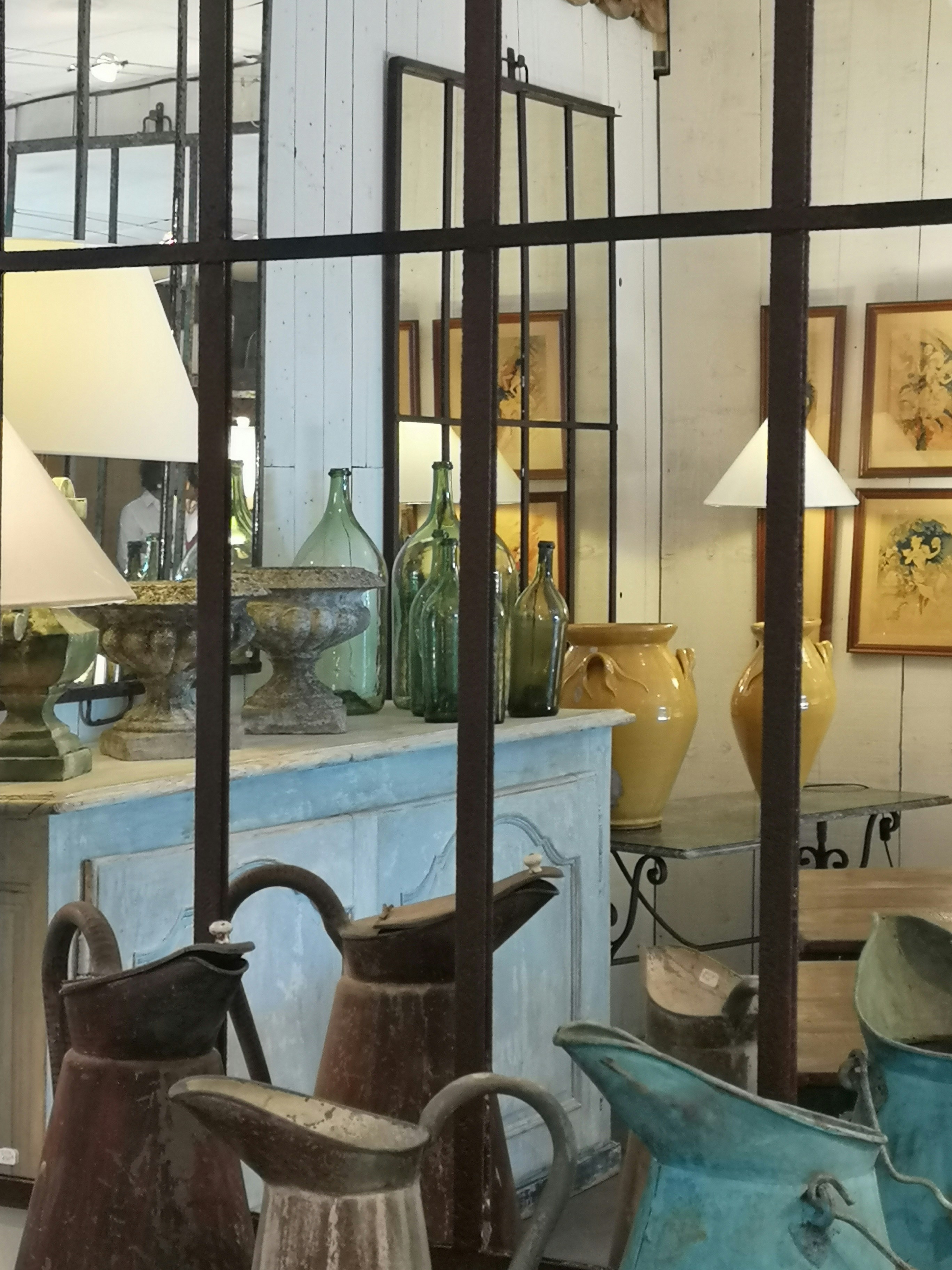
Knowing What You Are Looking At Changes How You Shop
If you are sourcing seriously, the categories matter. Gustavian furniture sits at the lighter, more formal end, neoclassical lines and pale paint. Painted country pieces tend to be looser and more lived in. Early to mid 20th century Swedish work bridges naturally into modern interiors.
The Wear Is the Whole Point
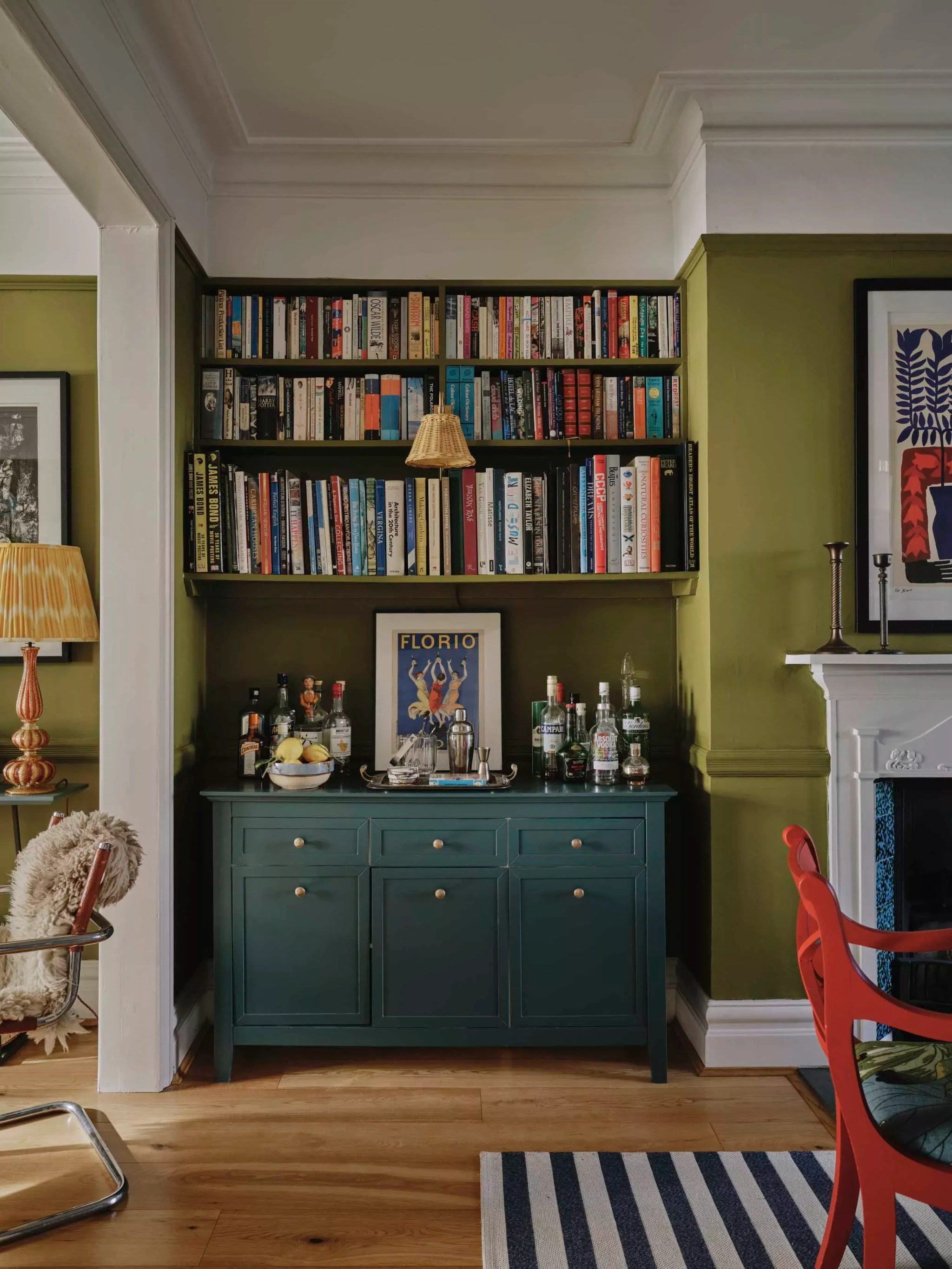
If you are shopping, prioritize original finish, honest wear, and solid construction over over restored shine. I have watched a piece lose its energy the moment the surface was stripped. The worn armrest and softened paint are often the point.
Swedish Design Was Never One Thing
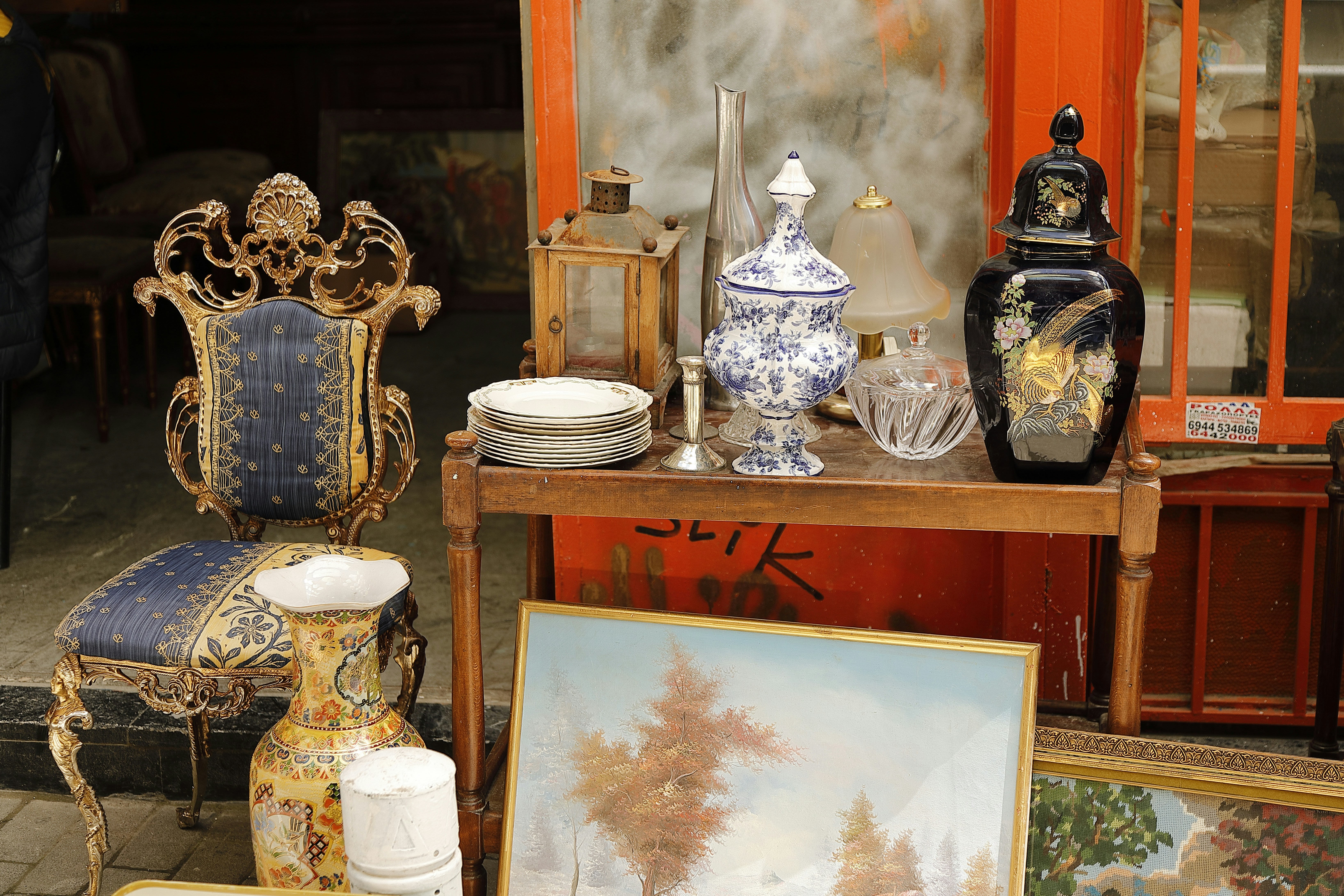
Auction results show serious demand for top examples by major Swedish designers such as Josef Frank and Märta Måås Fjetström. Names like those are a useful reminder that Swedish design history is not one single mood board. Decorative textiles and woven work sit alongside quieter neoclassical forms.
How to Actually Use One of These Pieces
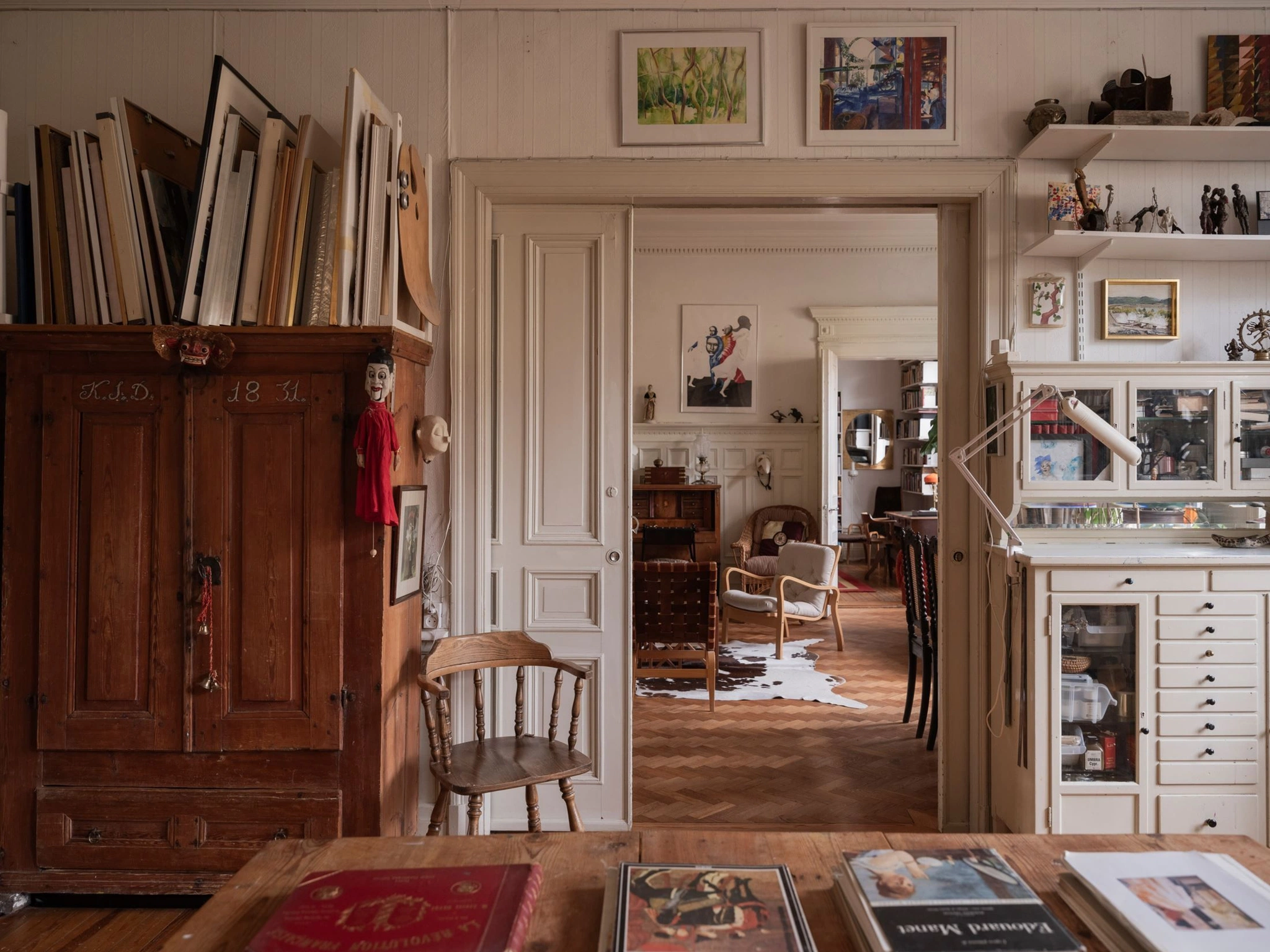
You do not need to build a period room. One piece is often enough to anchor a space without making it feel heavy. Try a Gustavian chair beside a plain modern table, or a painted cabinet standing alone in a hallway with nothing else competing for attention.
Why This Matters Right Now
For anyone sourcing in Sweden, the lesson is simple: stop circling the piece that looks newest and best kept, and start looking at the one that looks like it has already lived a life.
Keep exploring the Kartique directory for vetted places to shop by city and category.