
The 5 Questions I Ask Before Recommending a Dealer
Scoutat-artiklarna publiceras på engelska just nu.

I keep a short list of dealers I will actually send people to. Not because I want to be precious about it, but because a dealer recommendation is a little like giving someone your mechanic. If the fit is wrong, the whole thing gets expensive in ways you did not plan for.
A client asks, “Do you know a good shop?” and what they mean is, “Can you reduce the chaos for me.” They do not want a list. They want the first stop to make sense.
So before I recommend a dealer, I run five questions. They are not meant to make sourcing complicated. They are meant to make the search feel intelligent.

What Are We Really Shopping For
“Vintage furniture” is not a category, it is a mood. The first job is to name the actual object and the role it needs to play.
Are we hunting one anchor piece, or filling in the quiet parts of a room? Do we need a pair, a set, or ten of something? Are we looking for seating with a specific silhouette, storage with specific dimensions, lighting that reads sculptural from across a lobby?
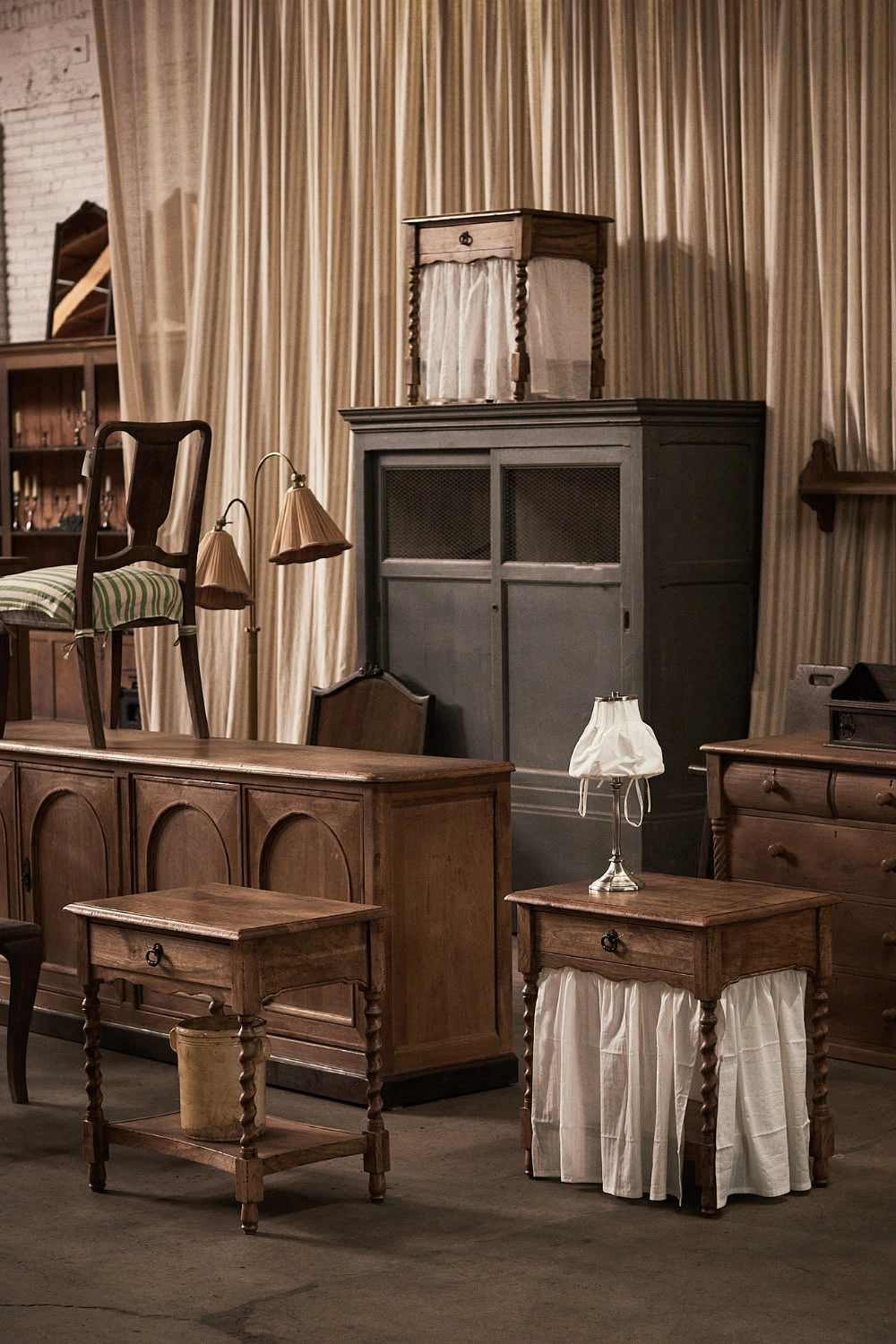
Dealers are not interchangeable. Even the most eclectic one has a center of gravity. One dealer is consistently strong in Scandinavian seating and the way it is built. Another has the eye for rustic tables and the patience to wait for the good ones. Another is brilliant for ceramics and small objects, and a waste of time for case goods.
The question is not “who has good things?” It is “who is likely to have this kind of good thing, right now.”
How Finished Does the Project Need the Piece to Be
There is patina, and then there is work.
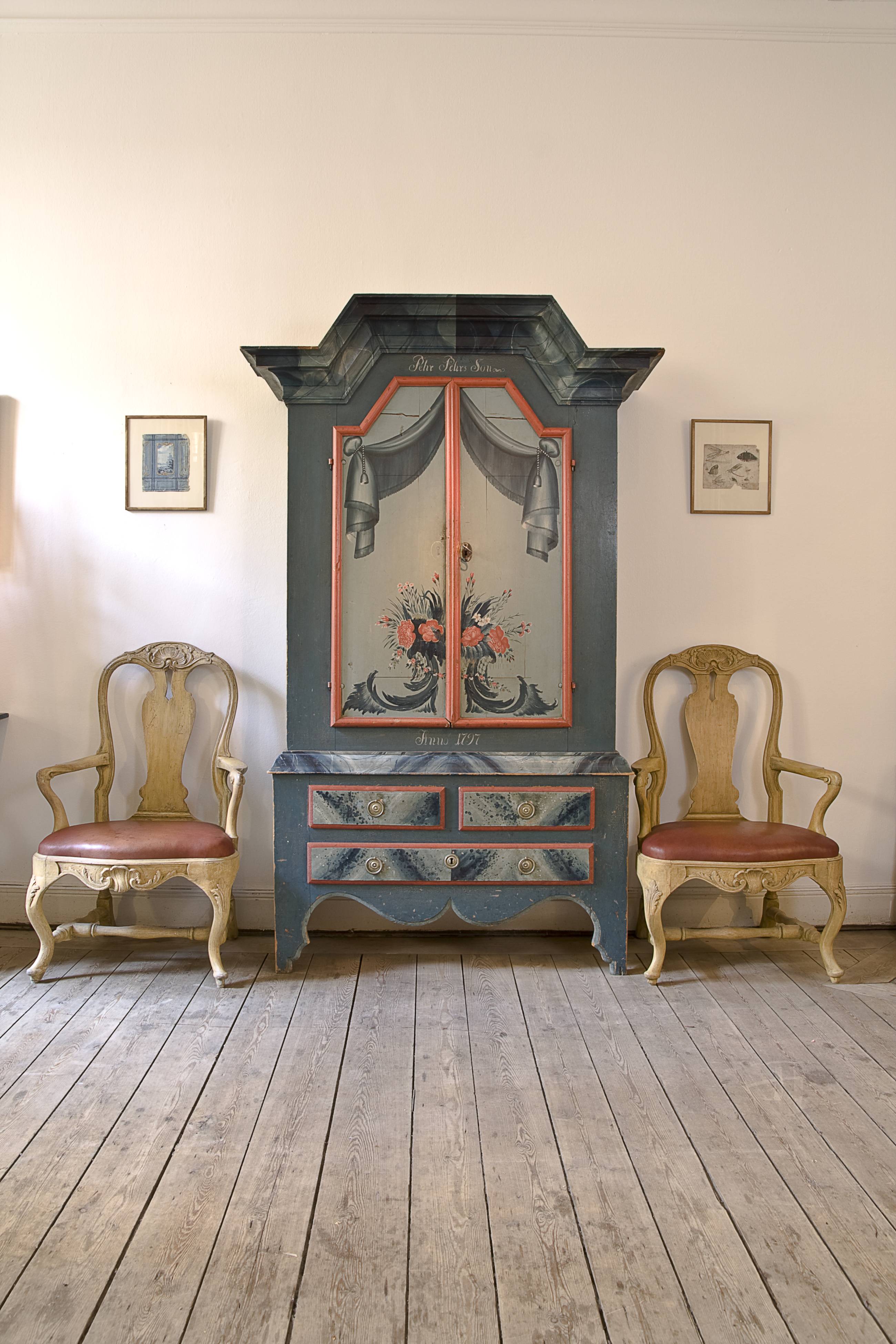
Some dealers sell pieces that arrive measured, cleaned, and ready to place. Condition is clear, photos are accurate, communication is fast, and the logistics are predictable. That is not boring. That is what you want when an install date is real and the client’s tolerance is low.
Other dealers are the opposite. The good pieces are there, but you have to earn them. Maybe the wiring needs updating. Maybe upholstery is a must. Maybe the finish is honest but filthy. You are buying potential, not a product.
Both kinds of dealers are valuable. They just serve different projects. A recommendation should match the level of friction the project can afford.
What Does the Timeline Actually Allow
If you need the piece this week, do not recommend the romantic warehouse that answers emails when it feels like it.
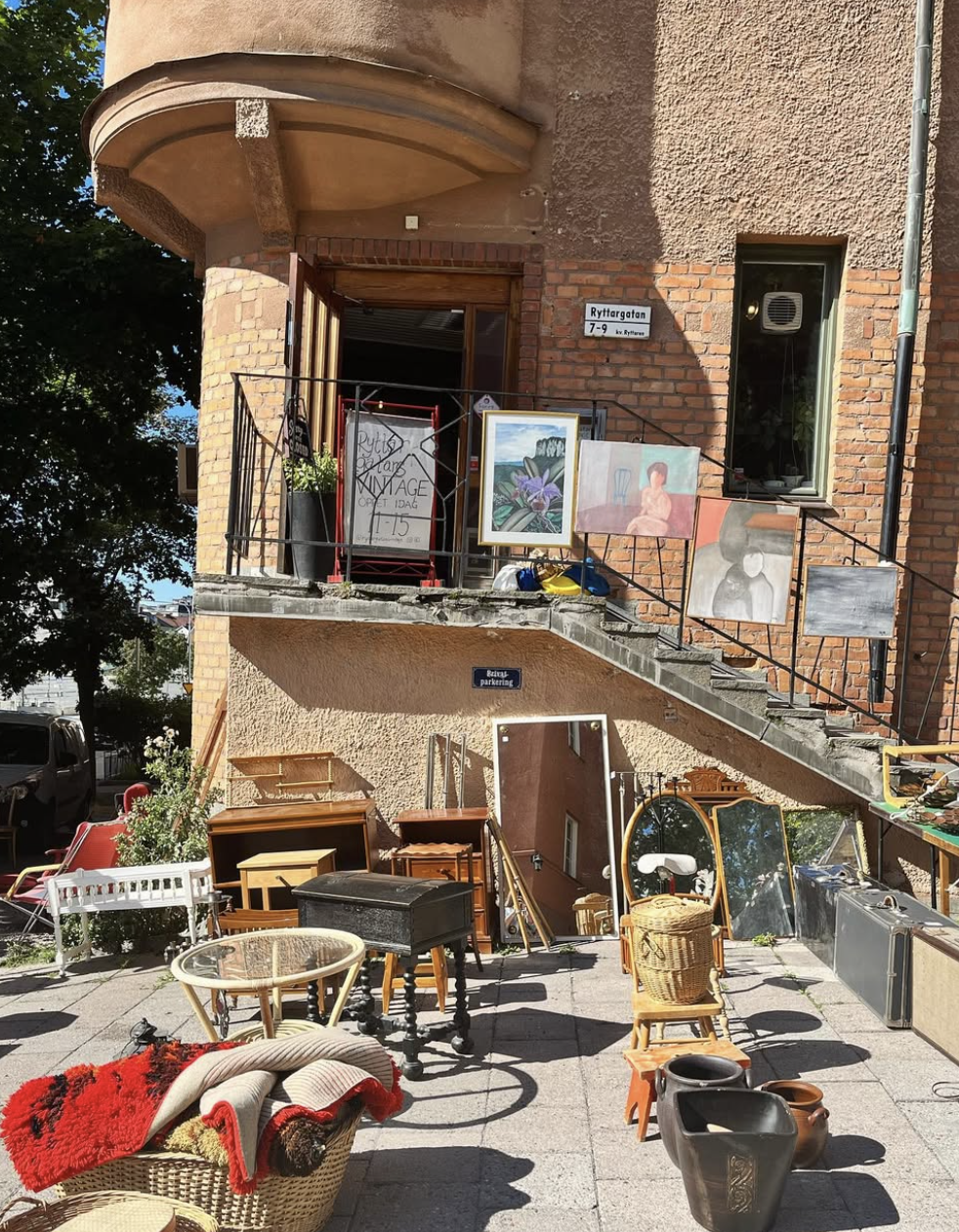
Timeline is not just the client’s deadline. It is opening hours, response time, payment, transport, and whether inventory is visible online. A dealer with beautiful stock and unpredictable access can be the right place when you have months, and the wrong place when you have days.
Vintage sourcing has rhythm. Some dealers turn over quickly. Some are best right after buying trips. Some reward checking in, building a relationship, and waiting for the right thing to show up.
A recommendation should respect the clock. Are we sourcing for now, soon, or someday?
How Much Uncertainty Can This Client Handle
Secondhand always carries uncertainty. That is the point. But different clients experience it differently.
Some people love the hunt. They enjoy options, irregularity, and the possibility of a surprise. Others want control. They want dimensions, condition, delivery options, and a process that feels managed.
Neither approach is better. They just require different dealers.
For a nervous client, I will prioritize a dealer who communicates clearly, prices transparently, and does not turn every question into a negotiation. For a confident client, I will recommend the hidden source where the pieces might be rarer, better priced, or stranger, and the process is a little more manual.
The best dealer is not always the one with the most beautiful inventory. It is the one that fits the emotional reality of the project.
Is the Stop Worth the Journey
Recommending a dealer is also recommending a route.
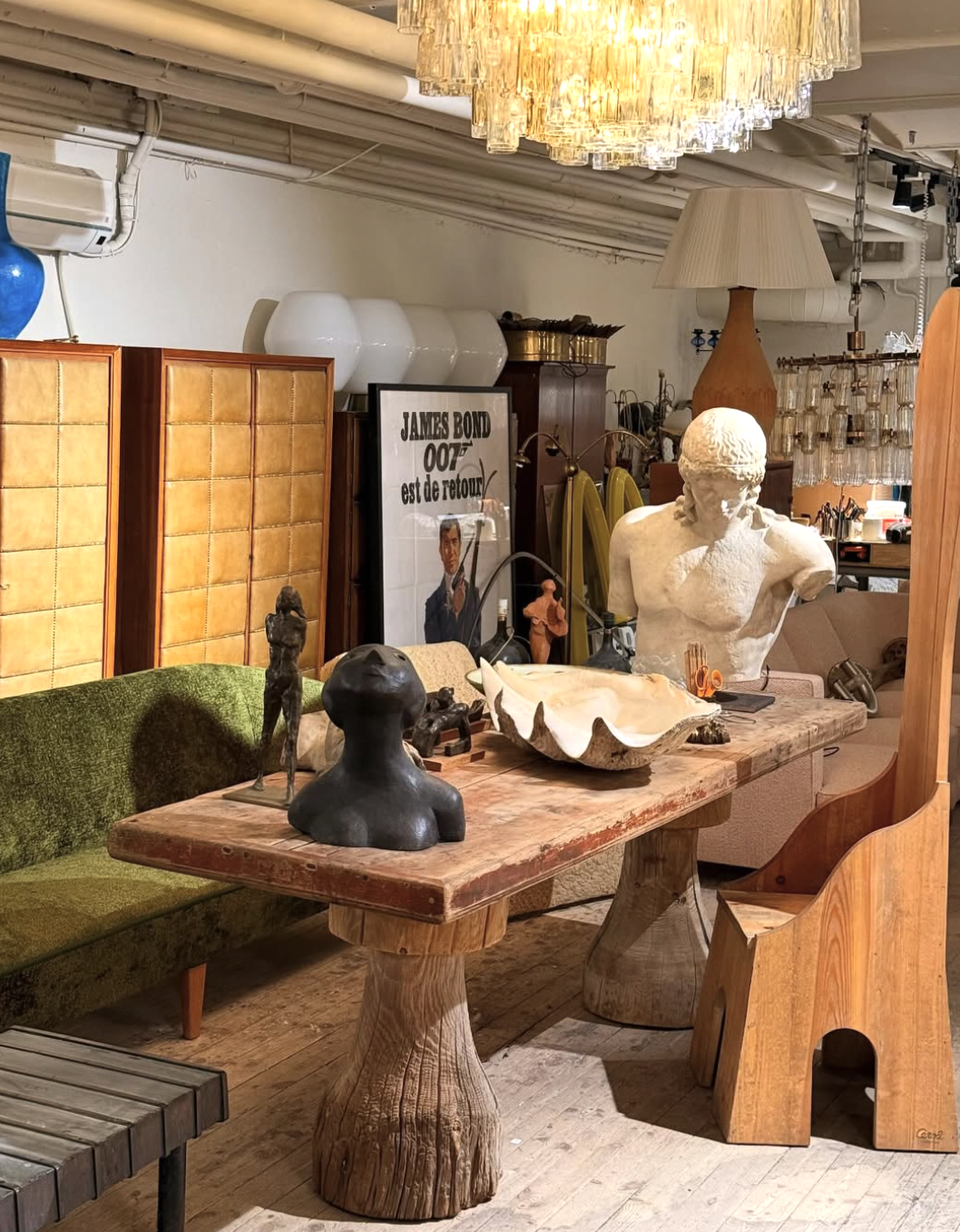
Some places are worth a dedicated trip. Others only make sense if you are already nearby, or if they can be paired with a market, an auction house, or two other stops that make the day productive.
Especially in Scandinavia, the best sourcing is rarely the obvious list. It is the path. It is knowing which stop increases your odds enough to justify the time.
This is where sourcing becomes editing. The goal is not to visit every place. The goal is to choose the places that make the search shorter and the outcome better.
A good recommendation is not a list
“Best vintage shops in Stockholm” is a fine headline for a weekend. It is not how a serious project gets furnished.
A useful recommendation considers category, condition, timeline, risk tolerance, geography, and trust. It understands that sourcing is not just access to objects. It is knowing where to look, when to go, what to ask, and how to decide if something is worth pursuing.
If you want my shortcut, start with the first question and get specific. Name the object. Name the role. Then choose the dealer who is most likely to solve that problem, not the one with the prettiest Instagram.