
What “Reuse-First Design” Actually Means
Scoutat-artiklarna publiceras på engelska just nu.
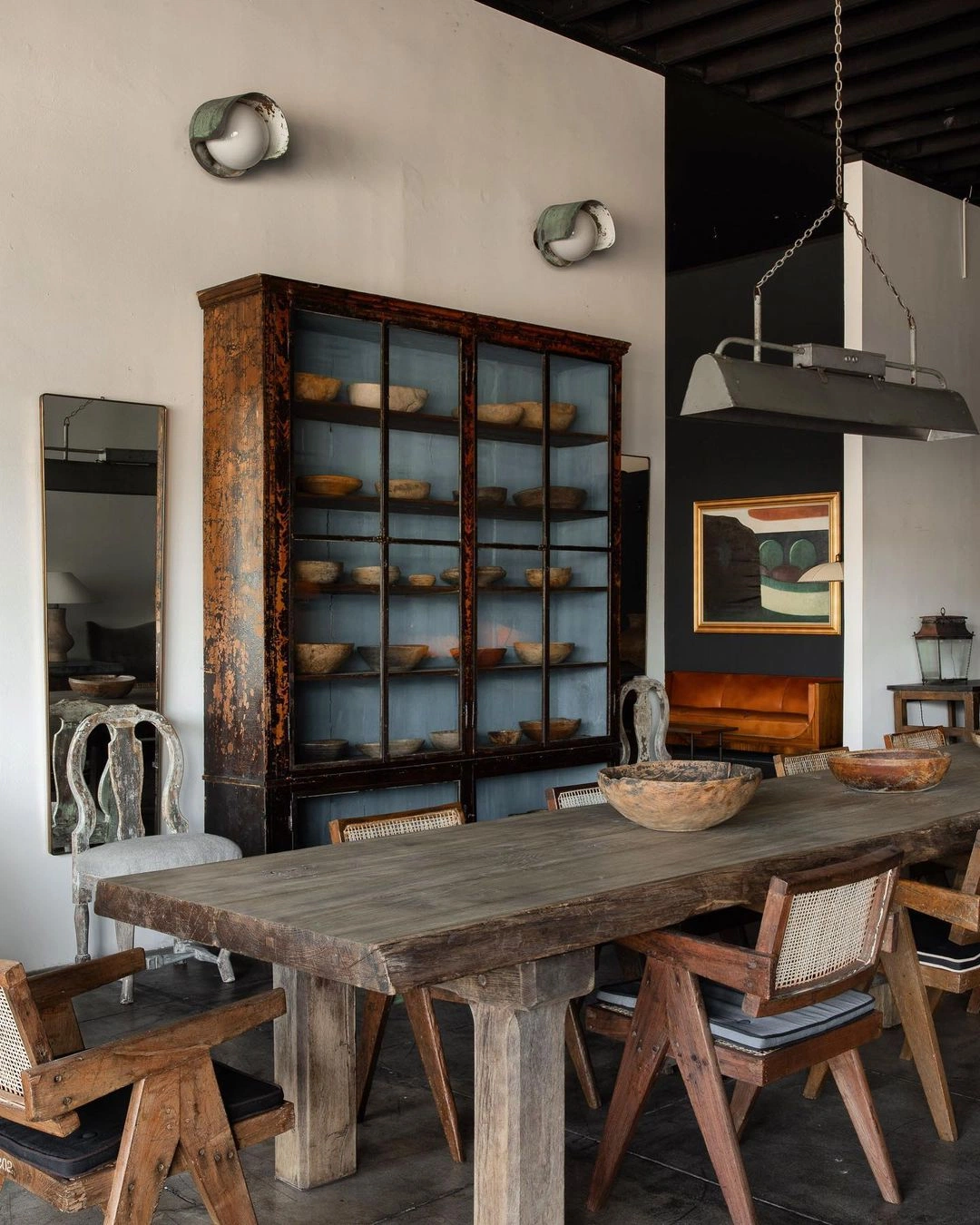
The first time you try to design “reuse-first,” you notice how quickly the old reflex kicks in: moodboard, list, supplier links, order confirmations. New is tidy. New comes with dimensions, lead times, and an email chain you can forward to a client.
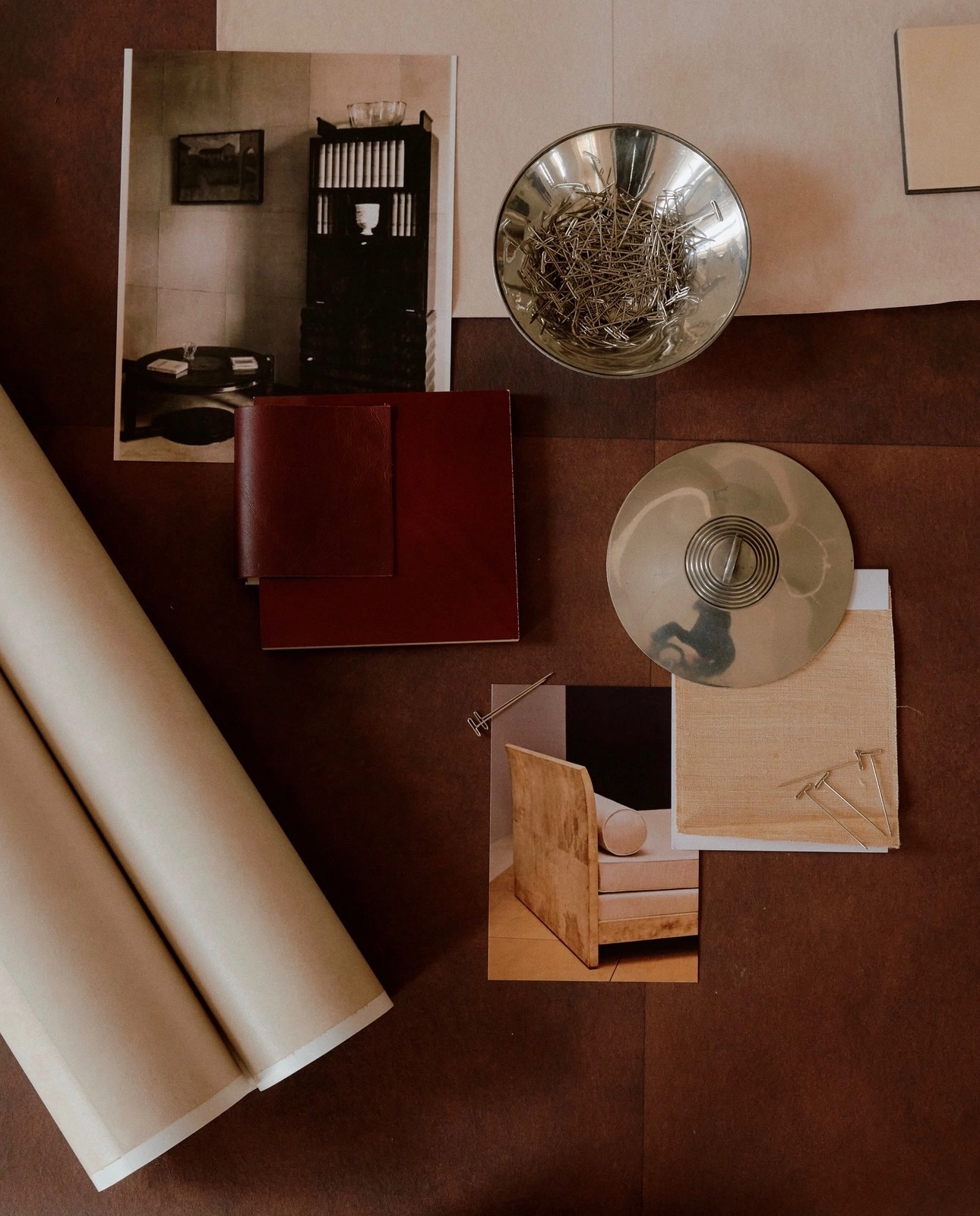
Reuse Doesn’t Behave.
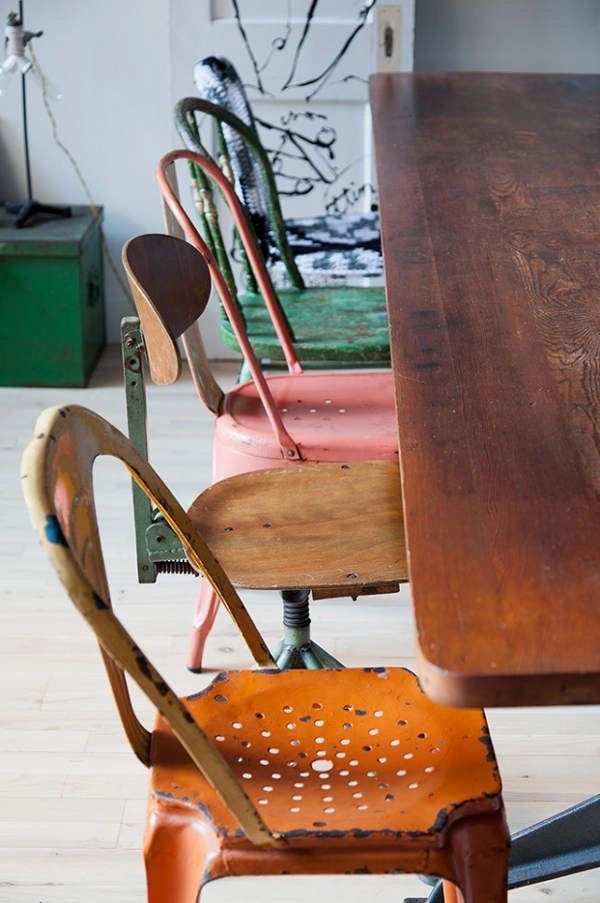
It shows up as a table with one good leg and one question mark. A lamp you can’t stop thinking about, with a shade that needs replacing and a cord that absolutely does. A chair that’s perfect in proportion but wrong in fabric. Inventory that asks you to decide with your eye instead of your spreadsheet.
That’s the actual shift: reuse-first design isn’t a look. It’s an order of operations.
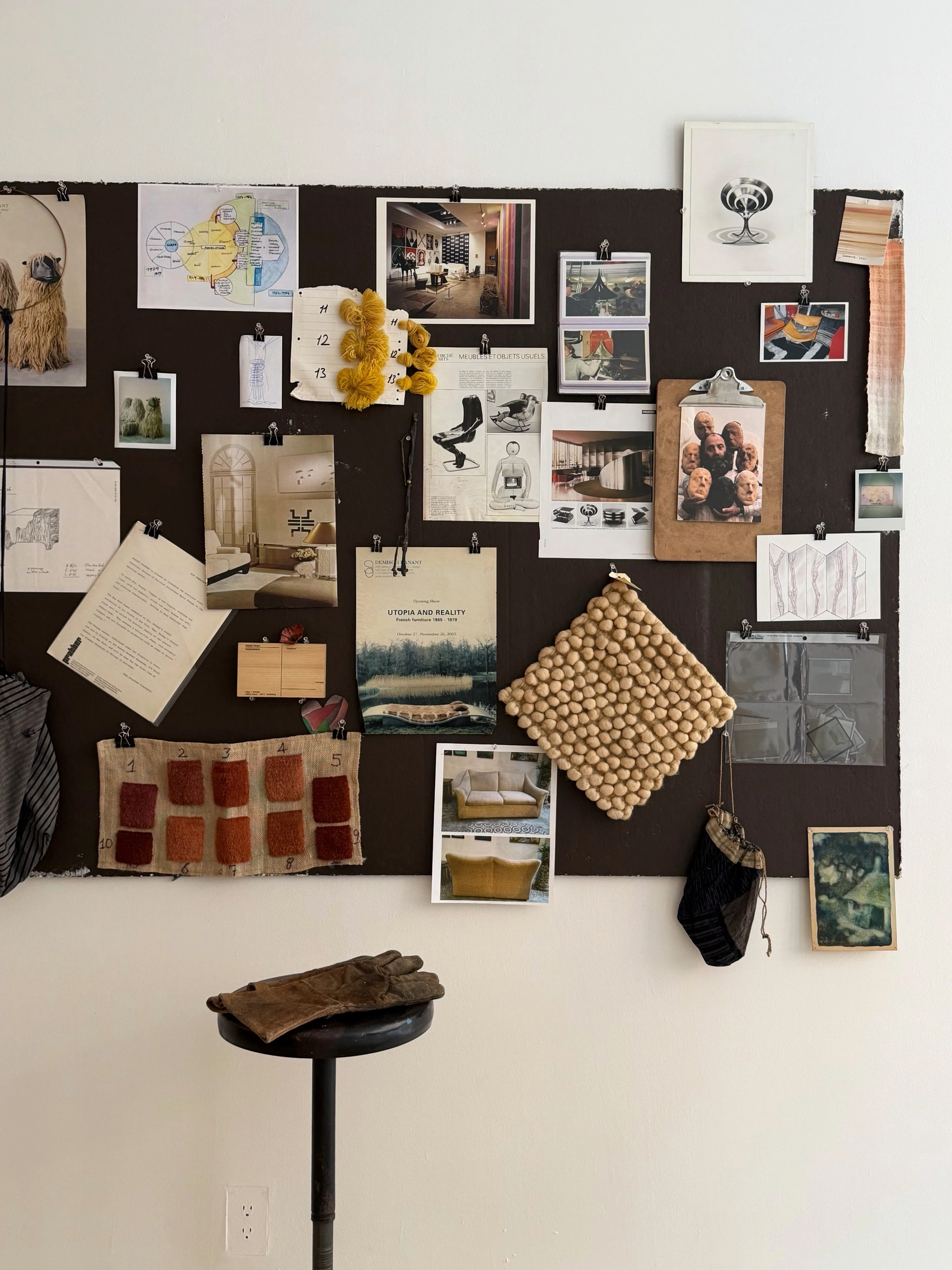
It’s Not Vintage Styling; It’s a Principle
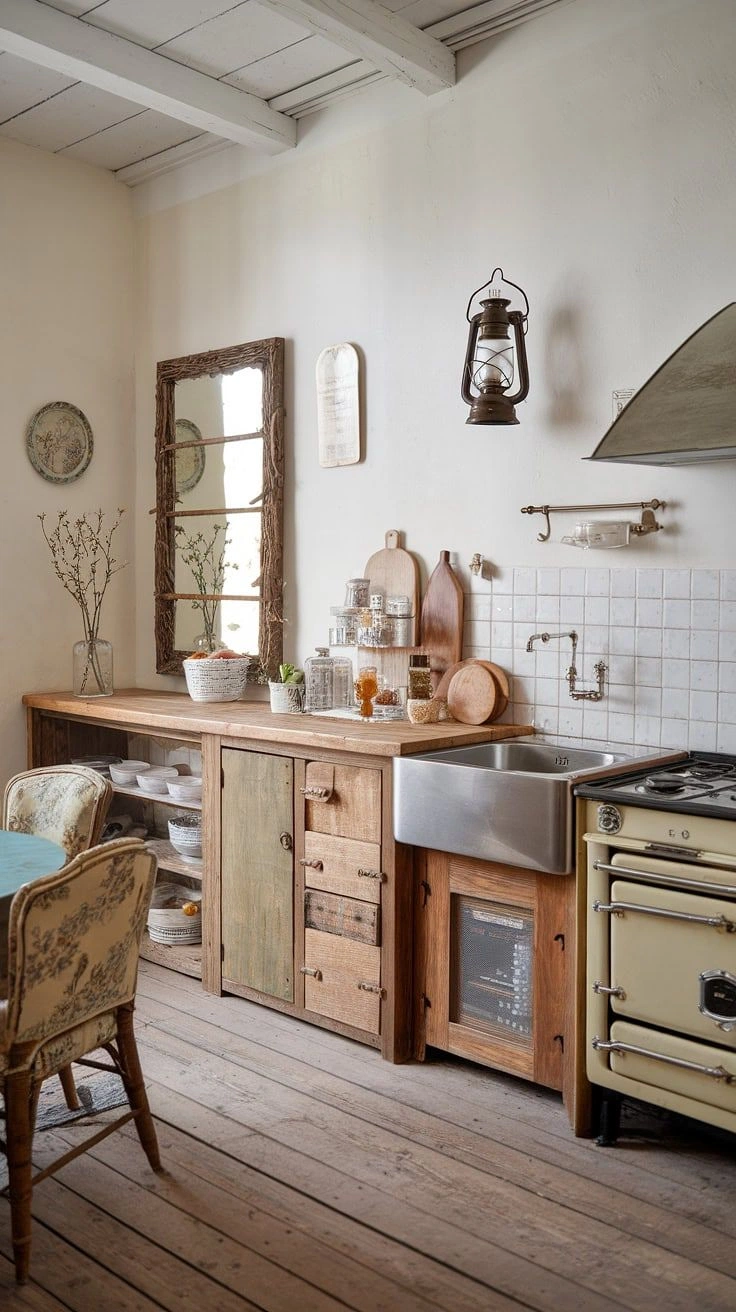
A room can be packed with antiques and still be a “new-first” project in disguise, everything chosen to signal taste, nothing chosen to work with what already exists. And a very contemporary interior can be genuinely reuse-first if the designer starts with what’s already in the world: existing furniture, restored lighting, auction finds, reupholstery, local secondhand stock, salvaged materials.
Reuse-first doesn’t forbid newness. It just makes newness earn its place.
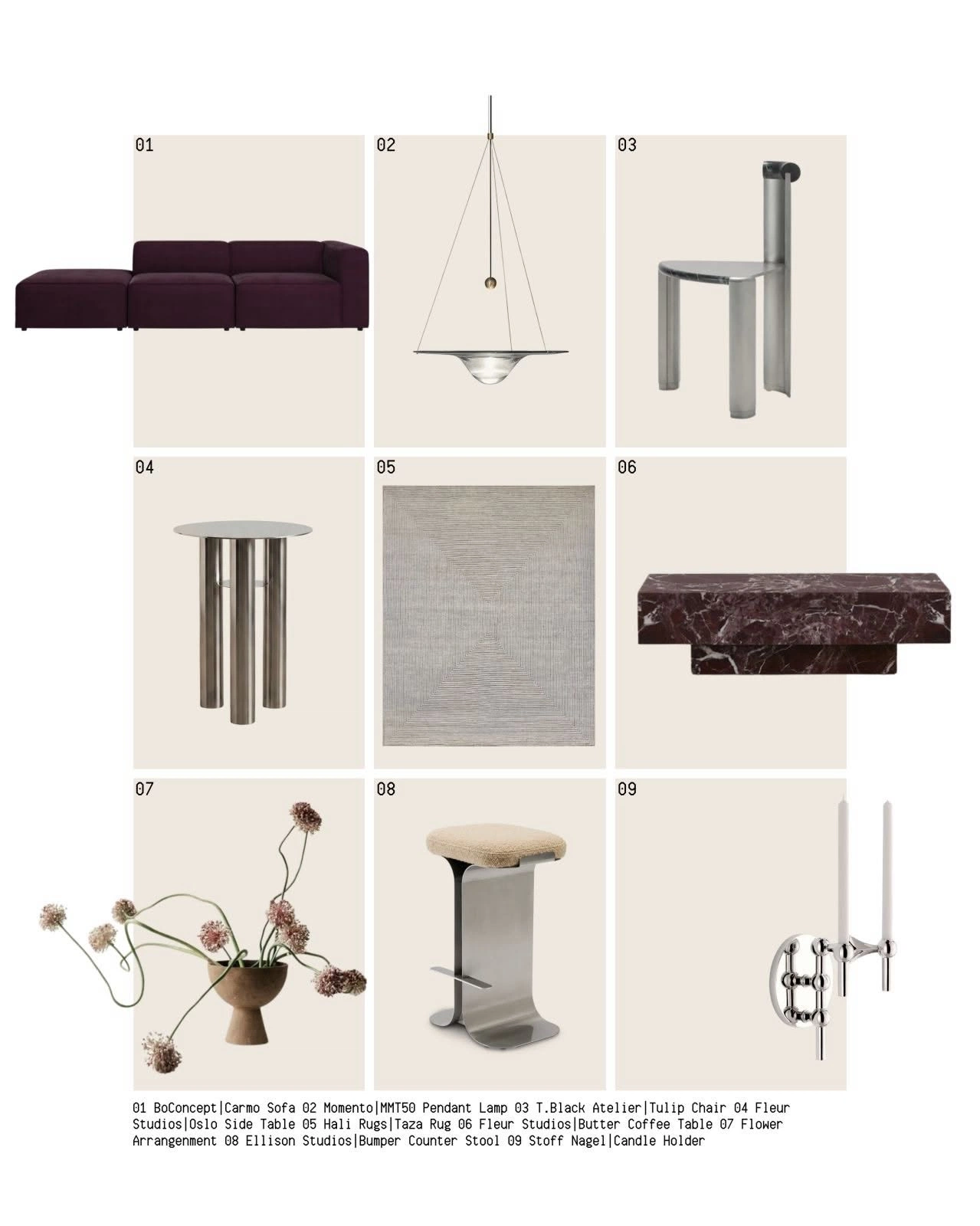
Designing With Categories, Not SKUs
Most new-first projects are built around exact products: this table, this sofa, this pendant. Reuse asks for a different kind of brief. Not “the table,” but “a warm wooden table with enough weight to anchor the room.” Not “a specific Italian lamp,” but “something with a narrow footprint and a confident silhouette.”
You leave space for the market to answer you.
Why It Makes Rooms Better (Even Before You Mention Sustainability)
The strongest argument for reuse-first design is aesthetic. New furniture markets flatten taste. Even great pieces start to feel anonymous when they travel quickly through showrooms, hotels, restaurants, and Instagram apartments.
Secondhand resists that sameness.
A used piece carries context: age, scarcity, material depth, and a little mystery. It was made for another life, often in a production system that no longer exists, with proportions and materials that are harder to find now. Used well, these pieces make a room harder to copy. The space feels gathered rather than installed.
Reuse-first is a sustainability choice, yes. But it’s also a taste choice.
The Friction Is Real and It’s Why Systems Matter
Reuse isn’t the default because the system around it is messy. Inventory is fragmented. Measurements are missing. Condition is unclear. Stock changes fast. Delivery can be complicated. Some of the best sources barely exist online.
New wins because it’s searchable.
If reuse-first is going to scale, it needs better infrastructure: clearer directories, stronger sourcing notes, dealer relationships you can actually rely on, better briefs, better trust signals. And it needs respect for the labor. Finding the right existing piece isn’t “just shopping.” It’s research, editing, logistics, and judgment.
It changes what the designer is paid for.
When reuse comes first, the designer becomes less of a selector-from-catalogues and more of an interpreter: reading quality, spotting potential, understanding condition, imagining transformation, knowing what’s worth restoring and what’s not.
It also demands confidence. A reused piece won’t arrive with a perfect product sheet. It might need repair, rewiring, reupholstery, a new shade, or simply the right context. Sometimes you’re asking a client to trust your eye before they can see the finished version.
That is expertise.
The hierarchy that actually works.
Here’s the simplest way to practice reuse-first without turning every project into a scavenger hunt:
1. Start with what can be reused (what the client already owns, what the space already contains).
2. Then look for what can be repaired, restored, adapted, or sourced locally.
3. Only then decide what truly needs to be produced new.
Newness isn’t immoral. It’s just not the default.
If you want a room with more character, better quality, and less sameness, don’t “add vintage.” Change the sequence. Ask, first: what already exists that could solve this beautifully? Then go find it.