
A Style Map for the Scandinavian Interiors
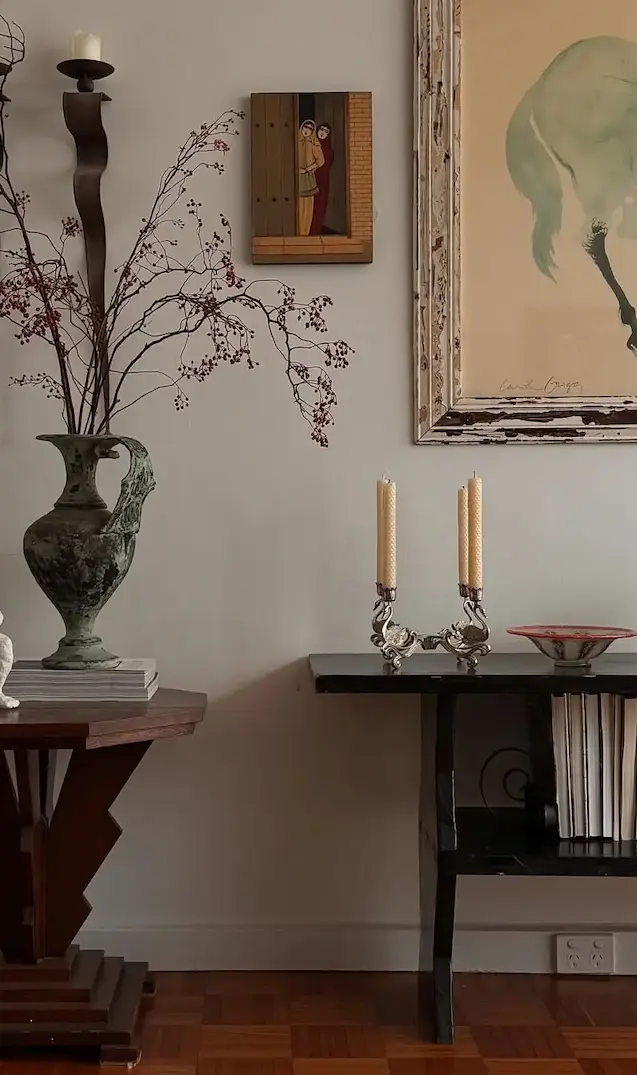
Walk into any shop selling secondhand Scandinavian pieces, or scroll through one online, and you will notice the good dealers do not just say “vintage.” They say Swedish Grace, or Danish Modern, or Jugendstil, because those words do real work. They tell you the decade, the intent, the materials, and the price bracket you should be thinking in.
If you do not know the terms, you are shopping blind, hoping a piece looks right without being able to say why. If you do know them, you can spot the real thing across a crowded booth or a badly lit listing photo.
Below are five objects from our latest reel, and the specific vocabulary that makes them legible.
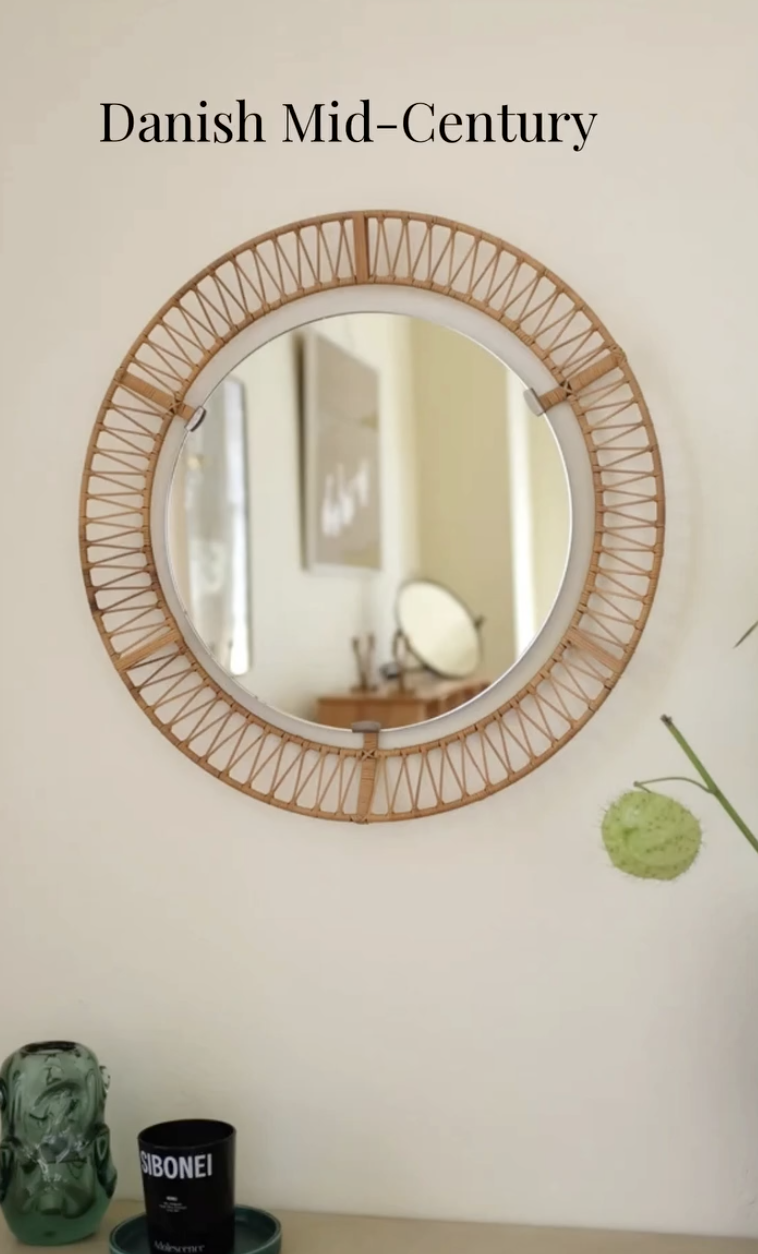
Danish Mid-century
Danish mid-century usually means the 1940s through the 1960s, and the tell is restraint. Teak or oak, quiet curves, proportion doing the work instead of ornament, and a confidence about function. That round rattan mirror is a perfect entry point because it is so direct: warm material, simple geometry, nothing shouting for attention.
If you are shopping this era, train your eye on the joinery and the edges. The good pieces feel inevitable, not fussy.
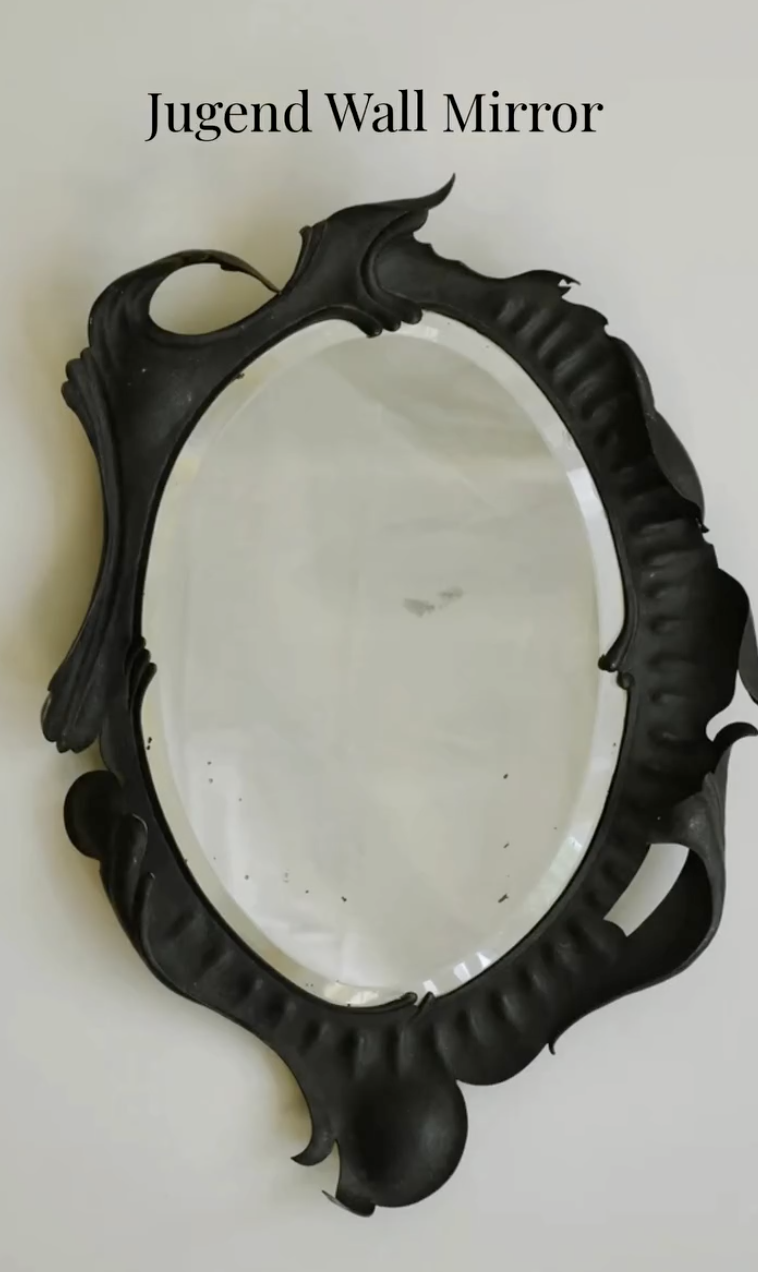
Jugend Wall Mirror
“Art Nouveau” gets used as a catch-all, but Jugendstil is the Nordic and German branch of that 1890–1910 moment, and it often reads heavier and more sculptural. Look for darker finishes, cast or carved forms that curl and twist, and a silhouette that feels more carved than drawn.
This kind of mirror is a reminder that one word can narrow the search instantly. You are not just looking for “old mirror,” you are looking for Jugend.
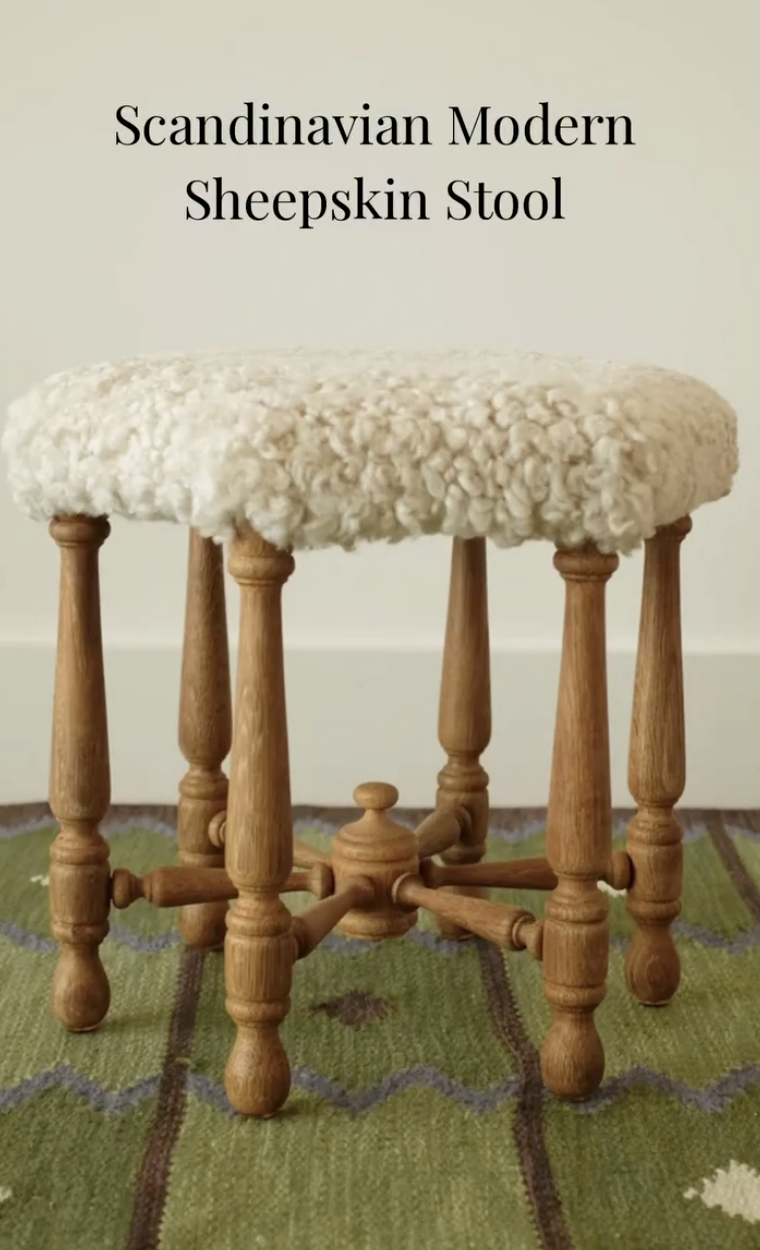
Scandinavian Modern Sheepskin Stool
Scandinavian modern is broader than it sounds. It is not one country, it is a shared mid-century language that moved across Sweden, Denmark, and Finland: turned legs, honest wood, practical upholstery, simple construction that holds up to real living.
A sheepskin-topped stool like this one is a classic example. It is modest, but the materials are the point, and the proportions are what make it feel right.
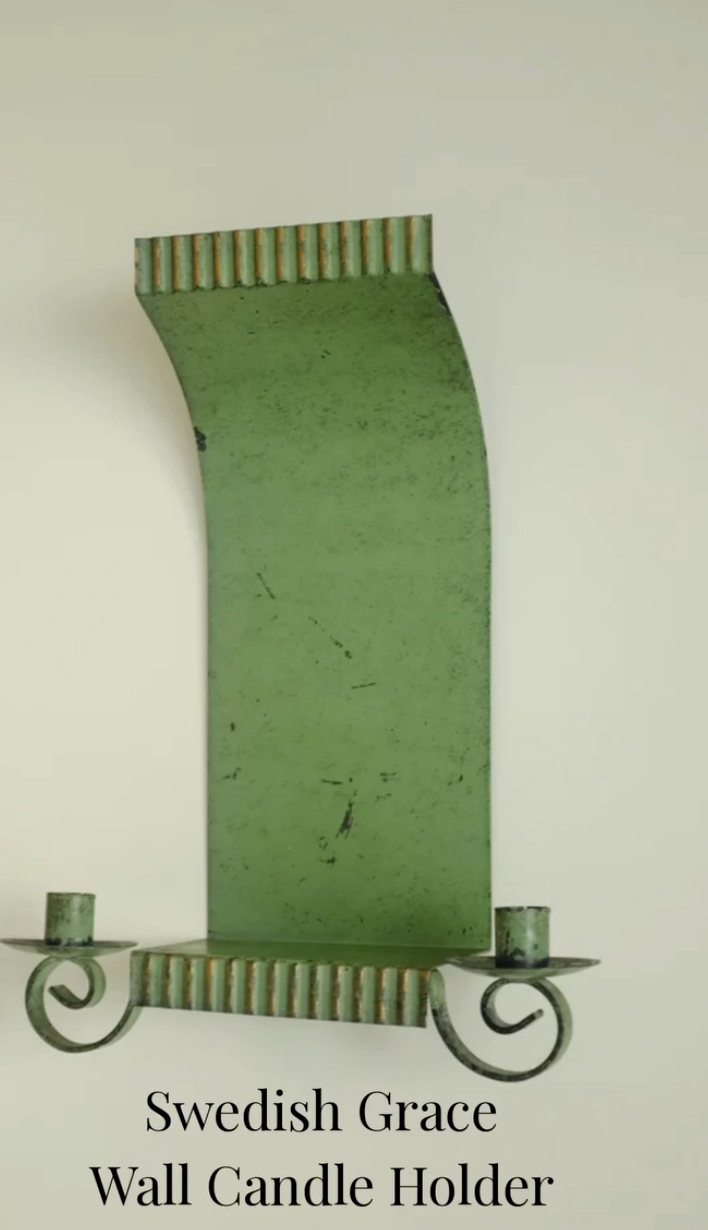
Swedish Grace Wall Candle Holder
Swedish Grace overlaps with Art Deco in the 1920s, which is why listings get misfiled, but the feeling is different. Swedish Grace is quieter: neoclassical restraint, gentle symmetry, and an elegance that comes from proportion rather than drama.
Even when it shows up in metal, like this green wall candle holder, the style stays recognizable. Once you clock it in one object, you start seeing it everywhere.
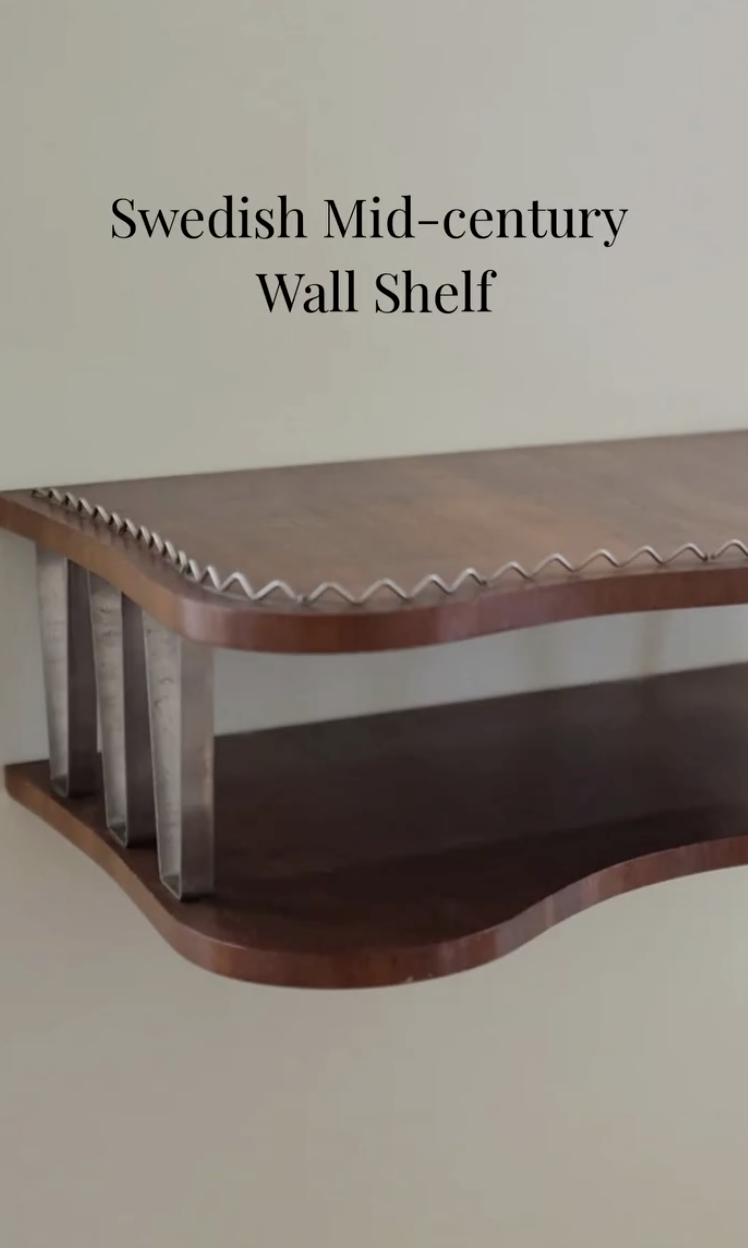
Swedish Mid-century Wall Shelf
Swedish mid-century sits in the same broad decades as Danish, but the mood is often warmer. More softness at the edges, more visible woodgrain, and a kind of practical charm that does not try too hard.
That wave-edged wall shelf is a great example: useful, slightly playful, and still quietly graphic.
Knowing the term is the first step. Once you can tell Swedish Grace from Swedish Modern, or Jugend from Art Nouveau, you shop differently. You stop guessing and start recognizing.
When you are ready to go deeper, keep browsing the Kartique directory for vetted places that specialize in the exact era and object type you are hunting.