
Understanding Your Space Before Decorating
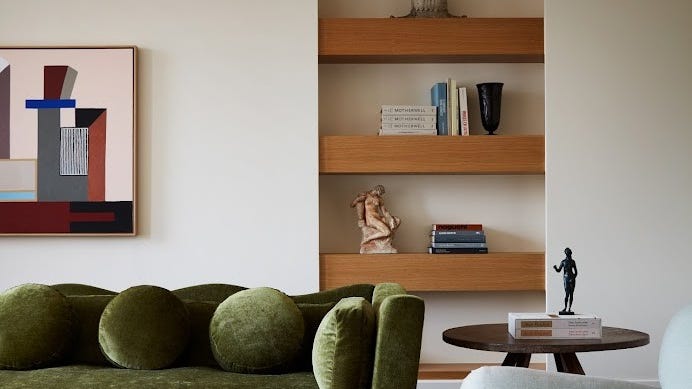
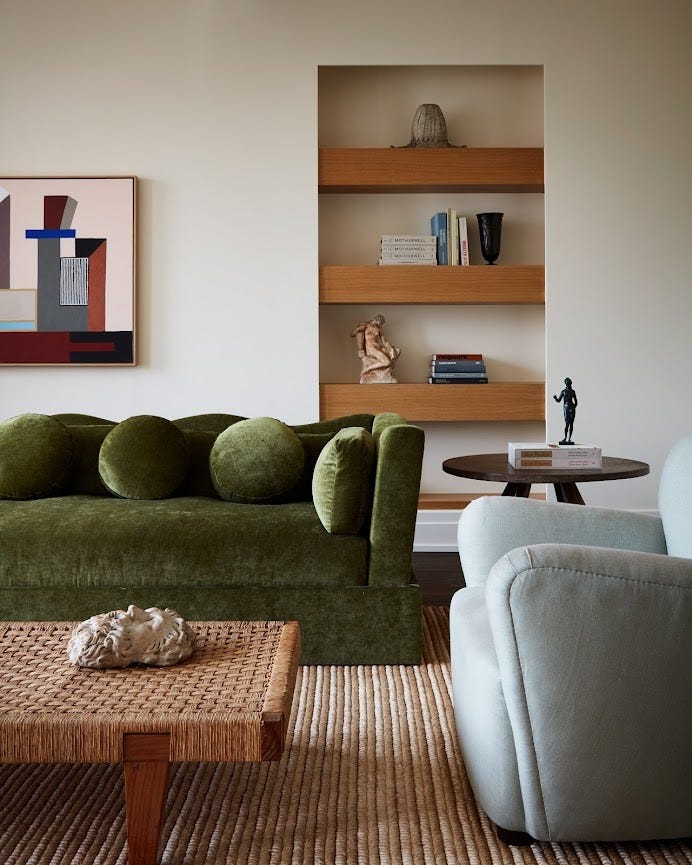
You know that feeling when you first enter your rented apartment or the house that you just bought and you mind goes to the furniture land, right away. Thinking about that green soffa you saw at the store the other day or was it someones Instagram account?! Don’t remember. But the homes that feel most like you? They start with a pause a week or two of just noticing. (in my case a year or two)
Watch how you actually move through your space. Which corner do you avoid? Where does clutter always land? These small frustrations are breadcrumbs, showing you exactly what needs to shift. Observe, don’t judge
- Notice which rooms you naturally gravitate to and which ones you walk past. That pattern is data.
- Track the friction: the door that always sticks, the chair no one sits in, the surface that becomes a dumping ground. Start there.
Know what you actually need
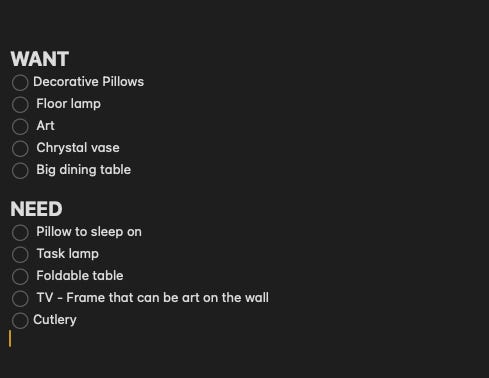
Before you add anything, get clear on the non-negotiables for each room not what Instagram says you need, but what your daily life requires.
- Be honest about the difference between a want and a need. You might dream of a big dining table, but maybe what you really need is flexible seating for two that can expand when friends come over.
- Don’t forget sensory needs: sound absorption, task lighting, blackout curtains. These aren’t boring they’re the foundation of a space that actually supports you.
Audit what you already have
Take photos of each room as-is. You’ll see patterns in those images that you miss when you’re standing in the space.
- Group things by how often you use them. What deserves prime real estate? What can live in a closet or leave entirely?
- Sometimes the problem isn’t the piece it’s the placement. A chair you love but never use might just be in the wrong room.
Understand your light
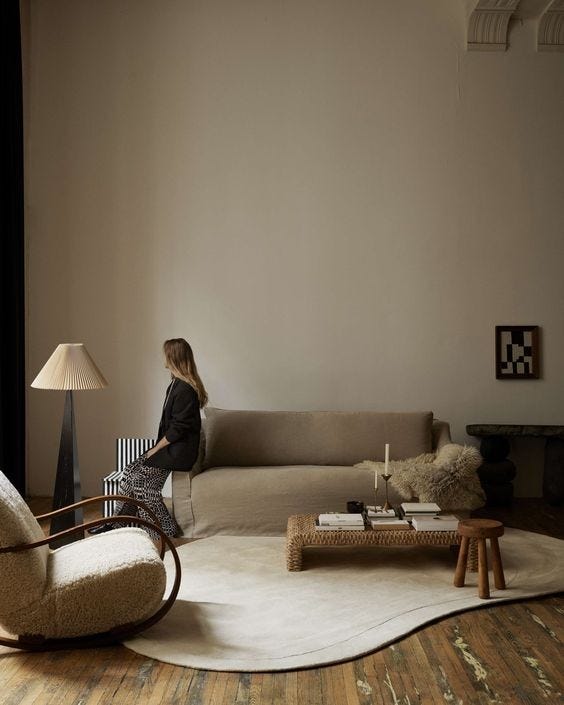
Let’s take the northern hemisphere for example here. Swedish homes have their own rhythm: long winter darkness, endless summer light. Colors and materials shift with the seasons, so test before you commit.
- Live with paint samples and fabric swatches for a few weeks. A warm greige that feels cozy in December might look jaundiced in June sun.
- Think about heating, too. Layered textiles are heaven in winter, but if your radiators run hot and you can’t adjust them, all that wool and linen might feel suffocating by March.
Design for your rhythm, not someone else’s
Some people need morning quiet. Others come alive at night. Some host every weekend; others guard their solitude. Your space should match your actual life, not an ideal you borrowed from someone else.
- If you work from home, carve out a real zone even in a small apartment. If you host weekly dinners, a generous table matters more than an oversized sofa.
- Notice your transitions: work mode to rest mode, solo to social. Small cues a lamp you switch on, a chair you move to can make those shifts feel intentional instead of jarring.
Listen to your emotional cues
Awareness isn’t just functional. It’s also about noticing what makes you feel safe, energized, calm. Those responses matter as much as whether the sofa fits.
- Pay attention to the materials you instinctively reach for. Some people need visual warmth wood, linen, soft edges. Others feel grounded with clean surfaces and open space.
- Notice any inherited “shoulds” rules about how a home is supposed to look that don’t actually serve you. You’re allowed to let them go.
Write it down
After a week or two of observation, capture what you’ve learned. Keep it simple: room by room, what works, what doesn’t, what you need.
- Add measurements, photos, notes on light and flow. This becomes your reference when you’re tempted by something shiny that doesn’t actually fit your life.
- Revisit it seasonally. Your needs will shift, and small adjustments based on lived experience will always beat a single “perfect” design that never evolves.
This awareness work is invisible but it’s the difference between a space that looks good and a space that feels like home.
With these tips you should be able to start decorating your ideal space, but if you need a help of a designer don’t hesitate to contact me.