
Why Most Stockholm Vintage Maps Are Wrong
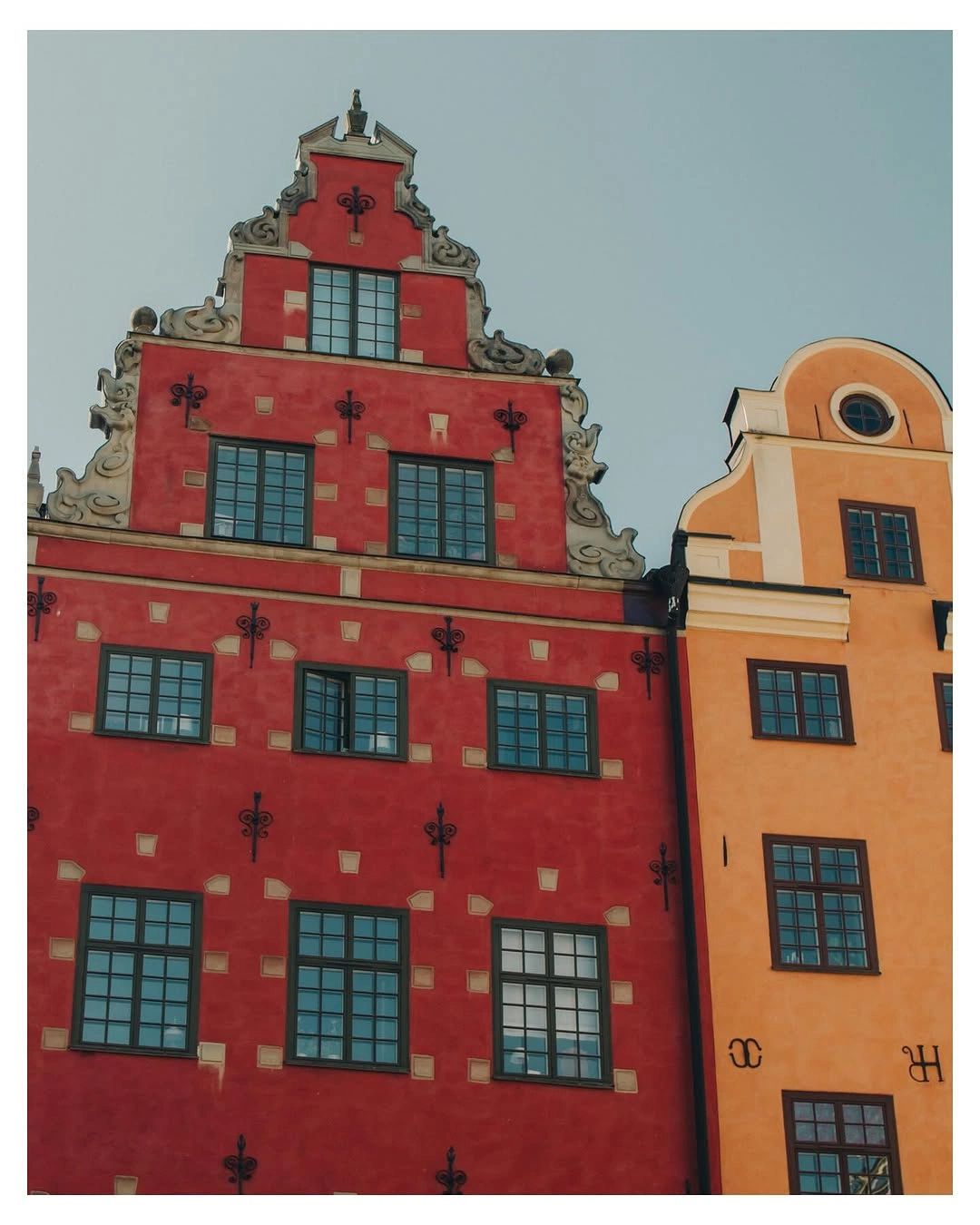
The first time you land in Stockholm with “vintage” on your mind, you do what everyone does. You open Google Maps, type vintage, and watch the city fill up with pins. Hornsgatan. Mariatorget. Slussen. Zinkensdamm. It looks like a plan.
Then you spend half a day doing the wrong kind of walking.
You walk into three shops that are basically clothing. You detour for a “vintage store” that is really a neat little record spot. You find a place that sells collectibles at gallery prices, and you are not even shopping for one perfect chair, you are trying to source ten pieces that make sense together. The pins were not inaccurate. They were just useless.
A Map Is Not a Sourcing Strategy
Most Stockholm vintage maps, especially the friendly ones built for visitors, answer the easy question: where are the shops? That is fine if you are wandering for pleasure.
But sourcing is different. If you are looking for furniture, you need to know which stops are actually furniture-forward, and which are the kind of “vintage” that means a rack of denim and a candle that smells like ambition. If you are looking for lighting, you need to know who consistently has lamps, and who has one lamp once a month. If you are sourcing for a brief, you need to know where to start, what to skip, and what is worth a dedicated trip.
A pin cannot tell you that. It can only tell you an address.

Stockholm’s Second-hand World Is More Than One Scene
“Vintage” is too broad a word for Stockholm. The same label covers charity shops, curated boutiques, antiques dealers, flea markets, and high-end twentieth-century design galleries. On a map, they look equal. In real life, they behave like entirely different ecosystems.
Even within the same neighborhood, one stop is “browse for inspiration,” another is “dig for objects,” another is “call ahead if you are serious,” and another is “beautiful, but not for this project.” You can waste an afternoon simply by mixing categories. Not because the city is hard, but because the information is flat.
This is why the tourist maps disappoint professionals. They are built to be comprehensive, not useful.
Opening Hours Are the Shallowest Form of Accuracy
A lot of official guides will warn you that independent opening hours vary. That is true, and it matters. But even when the hours are correct, the map can still fail you.
You can arrive when the shop is open and still leave empty-handed because it is the wrong kind of inventory for what you are sourcing. You can follow a “slow fashion” route and come away with a tote bag and two good conversations, and still be missing the dining table you came for. You can hit ten pins and feel productive, and realize none of them actually matched the brief.
For sourcing, the question is not only “is it open?” It is “is it worth it today?”
A Good Route Is Edited
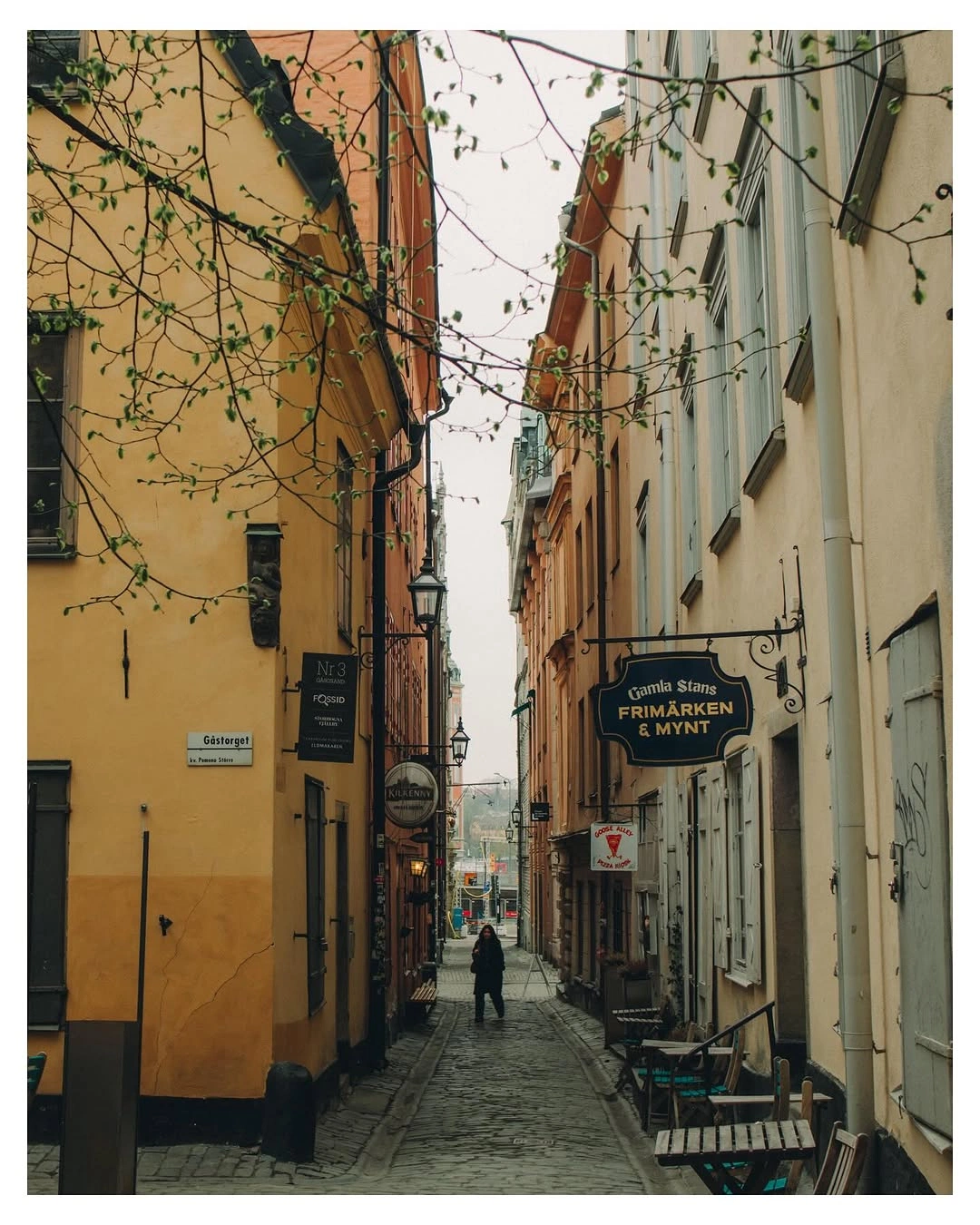
The best vintage day in Stockholm is not the day with the most pins. It is the day with the right sequence.
A good route is built around intent. Two hours? You need a sharp cut of stops that are reliable. Full day? You can afford a hit-or-miss market, but you should know what that gamble is. Looking for small objects? Your route should prioritize places where smalls move through constantly. Looking for furniture? You need fewer stops, but better ones.
A comprehensive map makes you feel like the city is full of opportunity. An edited map makes you feel like you have judgment.
The real work is not finding more places. It is knowing which places to ignore.
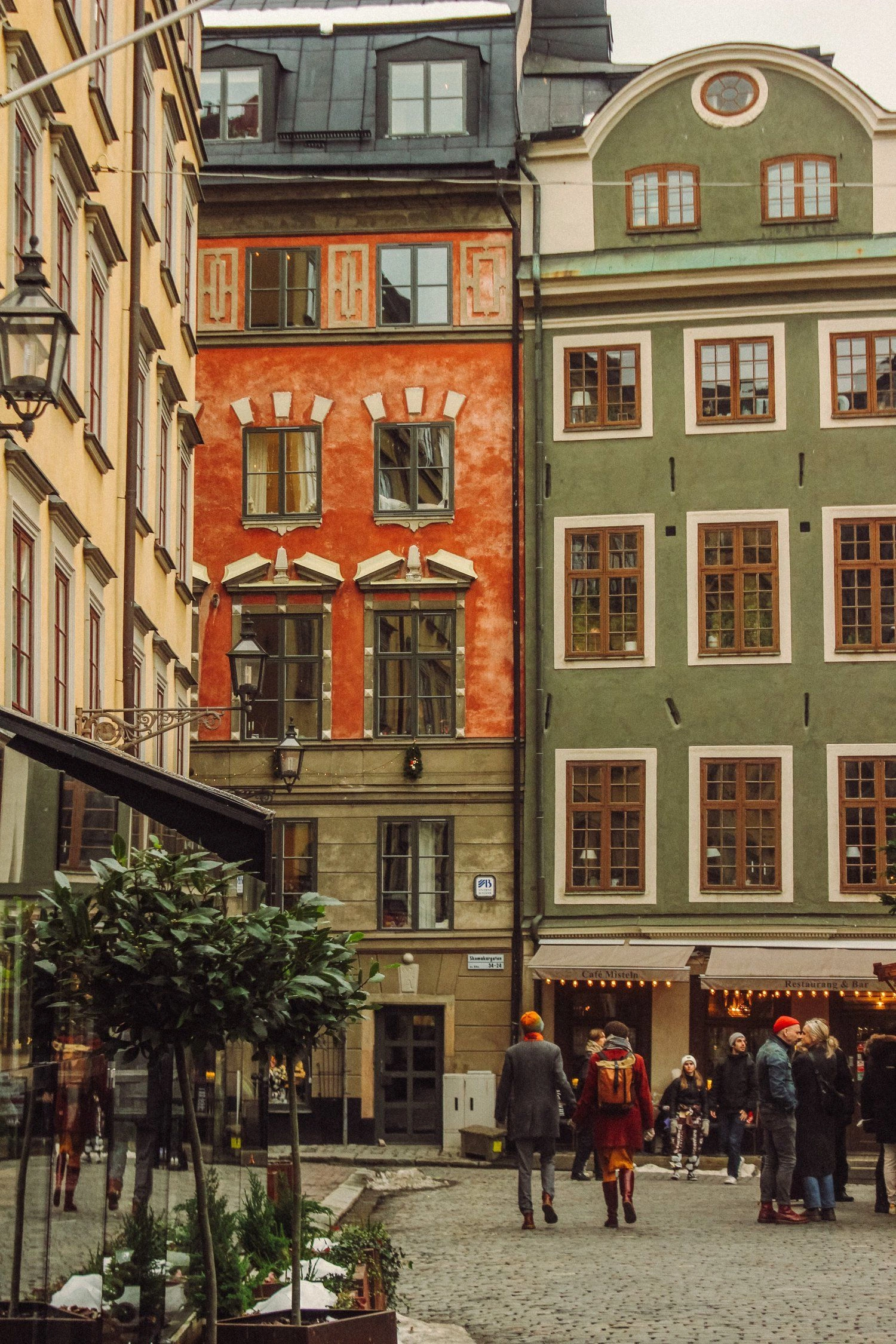
Markets Are Opportunities
Maps also love to mix permanent shops with temporary markets. Stockholm has flea markets and recurring events, and they can be excellent. But they are not stable sources. The quality depends on the day, the vendors, the season, and whether the weather is making everyone either optimistic or feral.
A shop says, “this is here.” A market says, “this might be good at this time.” That is a different kind of information, and it changes how you plan your day.
If you treat a market like a shop, you will either be delighted or disappointed. If you treat it like an opportunity, you will plan a route that still works if it is a miss.
The Takeaway
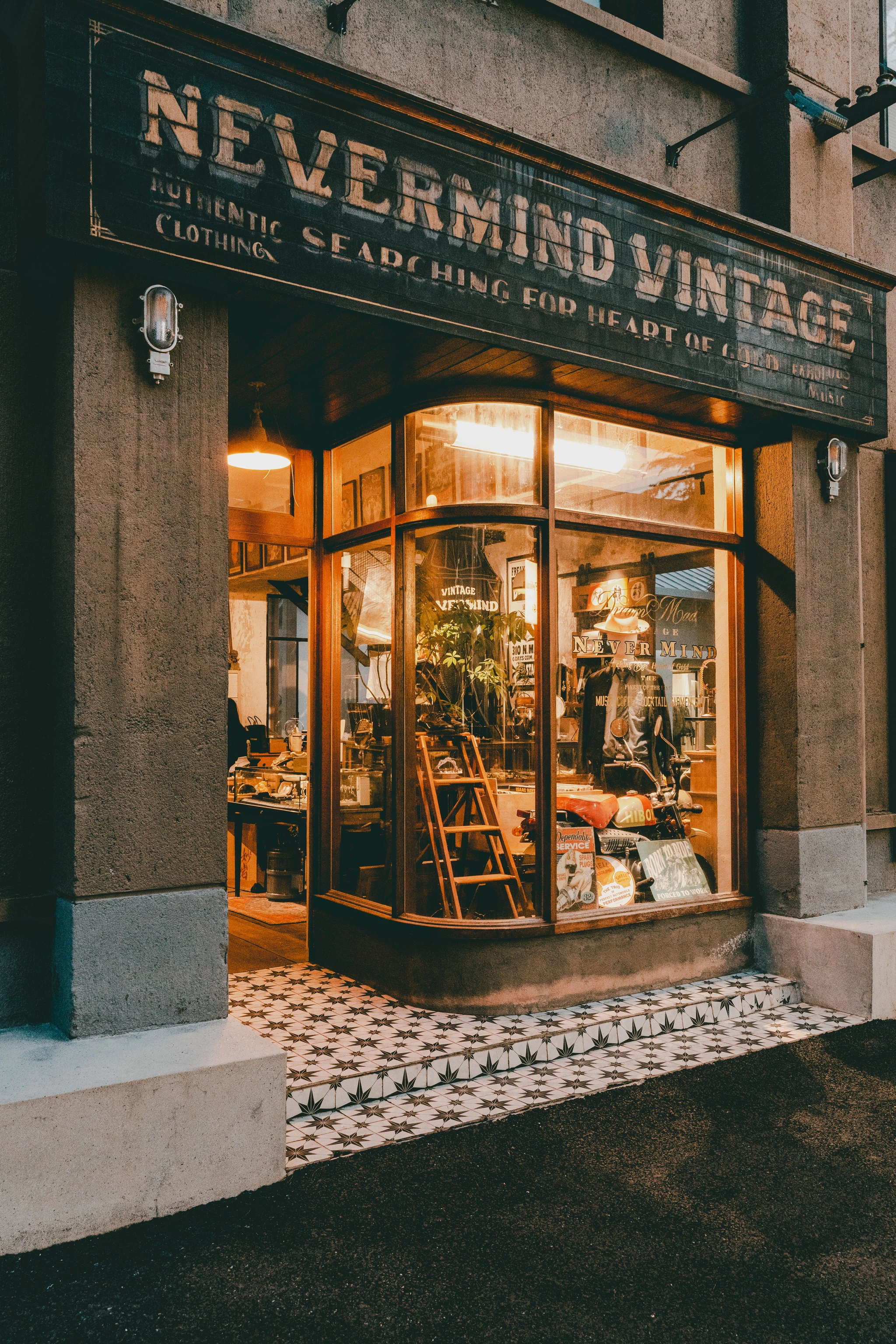
If you are serious about sourcing in Stockholm, stop collecting pins and start collecting categories.
Plan a day the way you plan a brief: decide what you are hunting for (furniture, lighting, objects, textiles), pick stops that are genuinely strong in that category, and build a route that makes sense in sequence. Let the map handle geography. Use Kartique for judgment.